
IRA Solar Credit Shifts to Bonus Tiers in 2026
Stricter domestic content, labor, and community rules take effect in 2026. Learn how to maintain full IRA solar tax credit eligibility and capture available bonuses.
By Christina De La Cruz
3 min read
Loading...

Articles tagged with 2026 - Page 2
Stricter domestic content, labor, and community rules take effect in 2026. Learn how to maintain full IRA solar tax credit eligibility and capture available bonuses.

The federal solar tax credit decreases from 30 percent to 26 percent in 2026. This guide details dollar impacts on typical systems, financing adjustments, and practical steps homeowners can take to evaluate timing decisions.

Updated Treasury guidance boosts solar rebates by 40 percent. The change strengthens domestic manufacturing incentives, reshapes project financing, and accelerates clean energy adoption nationwide.

Homeowners can save up to 15000 dollars by stacking federal and state rebates under the Inflation Reduction Act. Combining solar, energy efficiency, and electrification incentives cuts upfront costs and strengthens local economies.

U.S. solar module prices rose 18 percent this spring after new 2026 tariffs tightened supply and compliance. Developers, distributors, and domestic manufacturers respond with revised strategies to manage costs and maintain project schedules.

Starting in 2026, new U.S. tariffs could raise solar panel costs by up to 40%, reshaping project economics across all sectors. While intended to boost domestic manufacturing, the policy may trigger higher prices, financing challenges, and supply shifts that test the industry's ability to adapt.
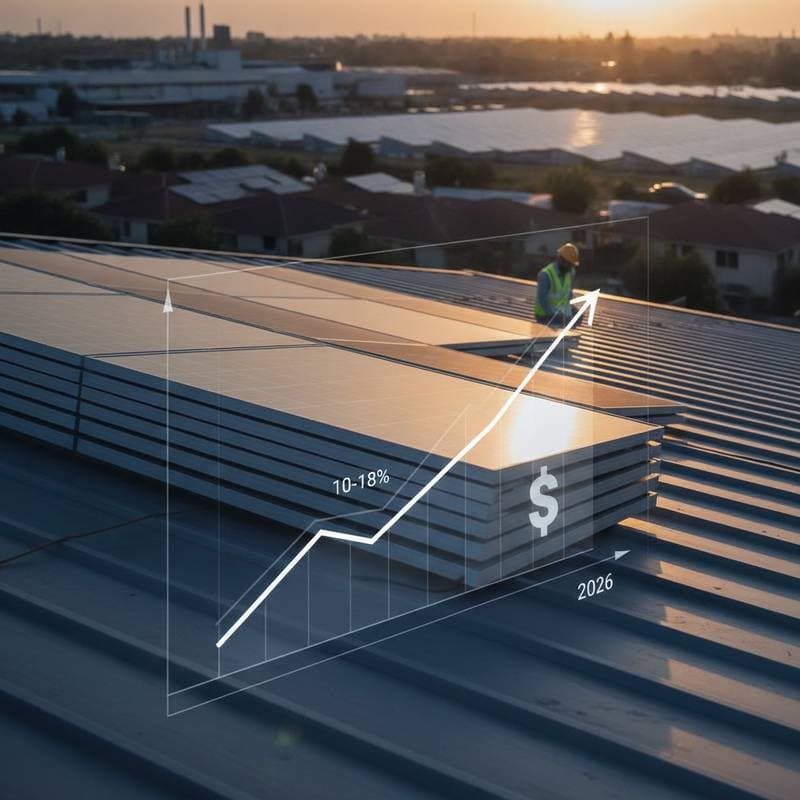
New 2026 solar tariffs are expected to raise U.S. rooftop system costs by several thousand dollars as imported panel prices climb 10 to 18 percent. Installers adapt through domestic sourcing and efficiency upgrades while federal incentives support long term affordability.

Proposed 2026 tariffs could increase solar panel prices by as much as 40 percent, pressuring project timelines and financing while spurring domestic manufacturing growth.

A new interpretation of the Inflation Reduction Act lets some homeowners claim business-style depreciation on solar systems alongside existing clean energy credits. Proper structuring and professional guidance are essential to realize the savings while maintaining compliance.

Discover how to maximize your solar investment through the Inflation Reduction Act’s stackable incentives. Learn how federal tax credits, bonus adders, and state programs combine to slash installation costs, boost returns, and support clean energy growth. Smart planning can double savings while advancing sustainability and energy independence nationwide.
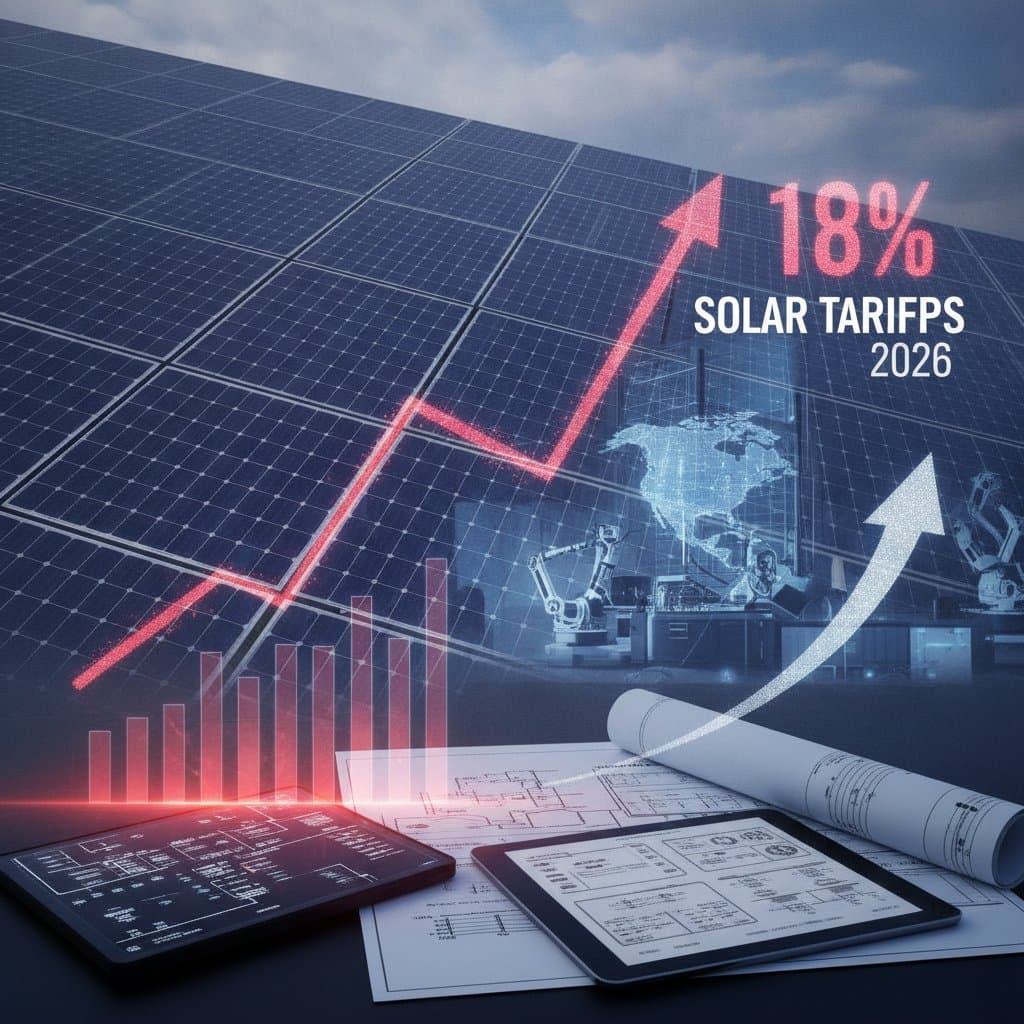
New U.S. solar tariffs will raise panel prices 18% this spring, reshaping project economics and supply chains. Developers face higher costs and potential delays, while domestic manufacturers gain momentum. The policy aims to boost local production, but analysts warn short-term disruptions could test the industry resilience and deployment goals.

A Solar HELOC merges home equity access with solar investment to reduce financing costs and build lasting energy savings.

Homeowners and developers must complete solar installations by June 30, 2026 to capture the full federal tax credit. Early contracts, equipment reservations, and interconnection filings protect project economics before the rate steps down.

The IRS confirms that solar tax credits apply only after systems reach full operation. This guidance affects timing, documentation, and project planning for both residential and commercial installations.

The federal solar tax credit drops to 26 percent in 2026. Early planning secures higher incentives, avoids supply delays, and protects project economics for homeowners and businesses.
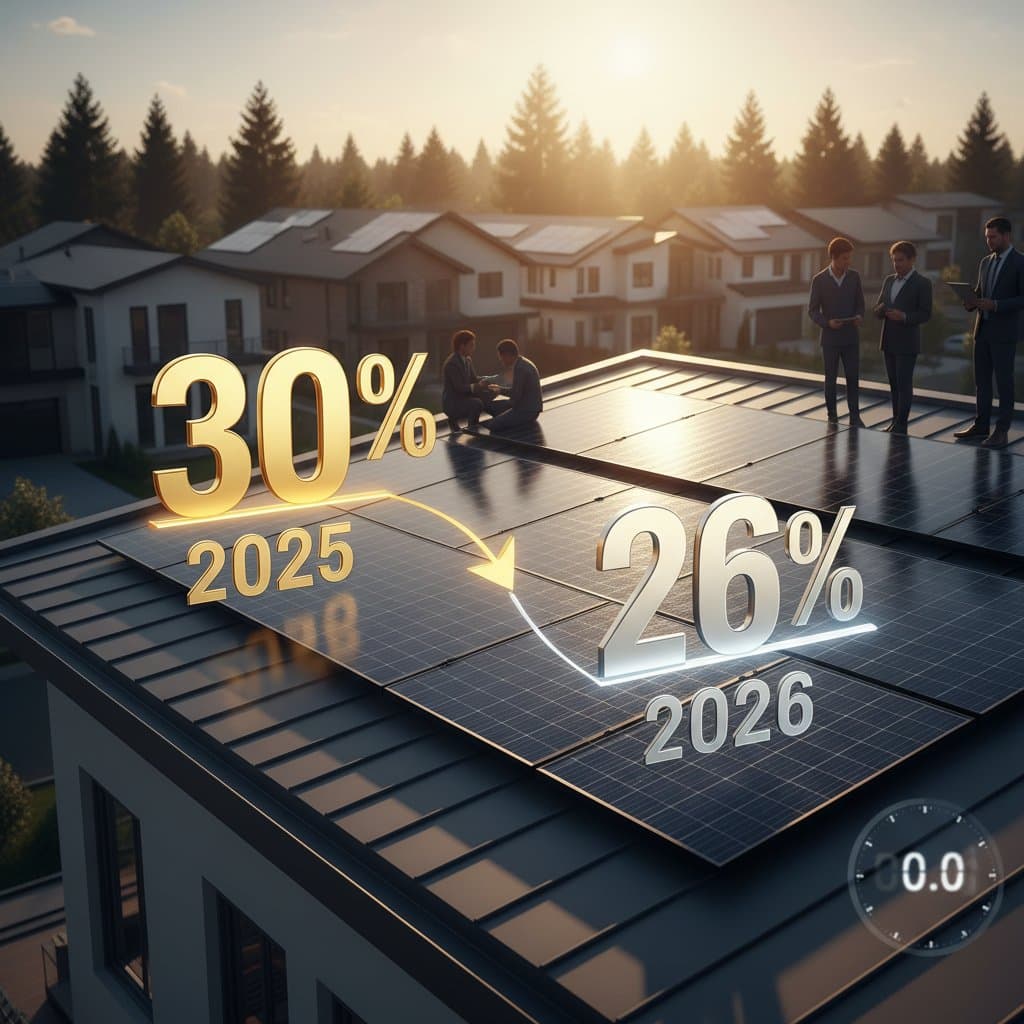
The 30% solar tax credit under the IRA begins stepping down to 26% in 2026. Developers and homeowners who plan now can lock in higher incentives, avoid supply constraints, and maintain project viability.

New U.S. tariffs proposed for 2026 could raise solar panel prices by up to 40 percent. The change affects project costs, supply strategies, and domestic manufacturing growth.

The Inflation Reduction Act extends the 30% federal solar Investment Tax Credit through 2035. This policy delivers long-term stability for homeowners, businesses, and utilities while boosting domestic manufacturing, supporting fair labor practices, and accelerating the clean energy transition.

New 2026 tariffs are projected to lift solar module prices by as much as 18 percent. The change will influence project costs, supply planning, and manufacturing investment across residential, commercial, and utility markets.

The federal 30% solar investment tax credit, extended through 2032, reduces upfront costs for homeowners and businesses. It covers equipment, labor, and storage while pairing with local incentives for maximum savings.