Solar Tax Credit Drops to 26% in 2026: Act Now
The federal solar tax credit drops to 26 percent in 2026. Early planning secures higher incentives, avoids supply delays, and protects project economics for homeowners and businesses.
Loading...
Articles tagged with reduction
The federal solar tax credit drops to 26 percent in 2026. Early planning secures higher incentives, avoids supply delays, and protects project economics for homeowners and businesses.
Homeowners reduce solar installation expenses by layering federal credits with state rebates and Inflation Reduction Act programs. This guide outlines the correct order of applications, documentation requirements, and steps that protect total savings.
The Inflation Reduction Act elevates federal solar rebates by 40 percent, driving increased adoption among homes and businesses. Key updates include enhanced tax credits, domestic content bonuses, and broader financing access, transforming the solar industry. Though compliance demands grow, surging demand, U.S. manufacturing, and storage pairings fuel national clean energy acceleration.
The federal solar Investment Tax Credit faces a 4% reduction in 2026 as part of the Inflation Reduction Act's phase-down. This adjustment influences residential and commercial solar projects, prompting accelerated installations to lock in current incentives before changes alter financing and economics.
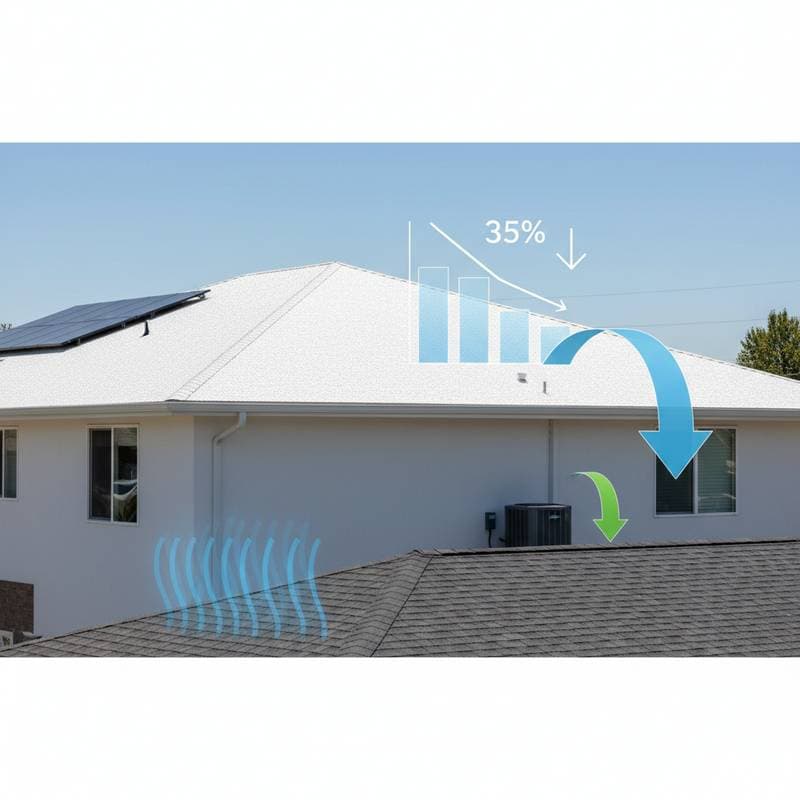
Upgrade to a cool roof before solar panels to slash air conditioning expenses by up to 35 percent. Reflective surfaces reduce roof heat, ease HVAC demands, and optimize solar output. This pairing delivers amplified savings, longer roof durability, and greater sustainability through lower energy use and better indoor conditions.
The extension of the federal solar Investment Tax Credit through 2033 at 30% offers long-term stability for homeowners, businesses, and developers. This policy supports clean energy advancement, domestic manufacturing, and substantial savings on solar and storage systems.