Tariffs Could Push Solar Panel Prices Up 40% by 2026
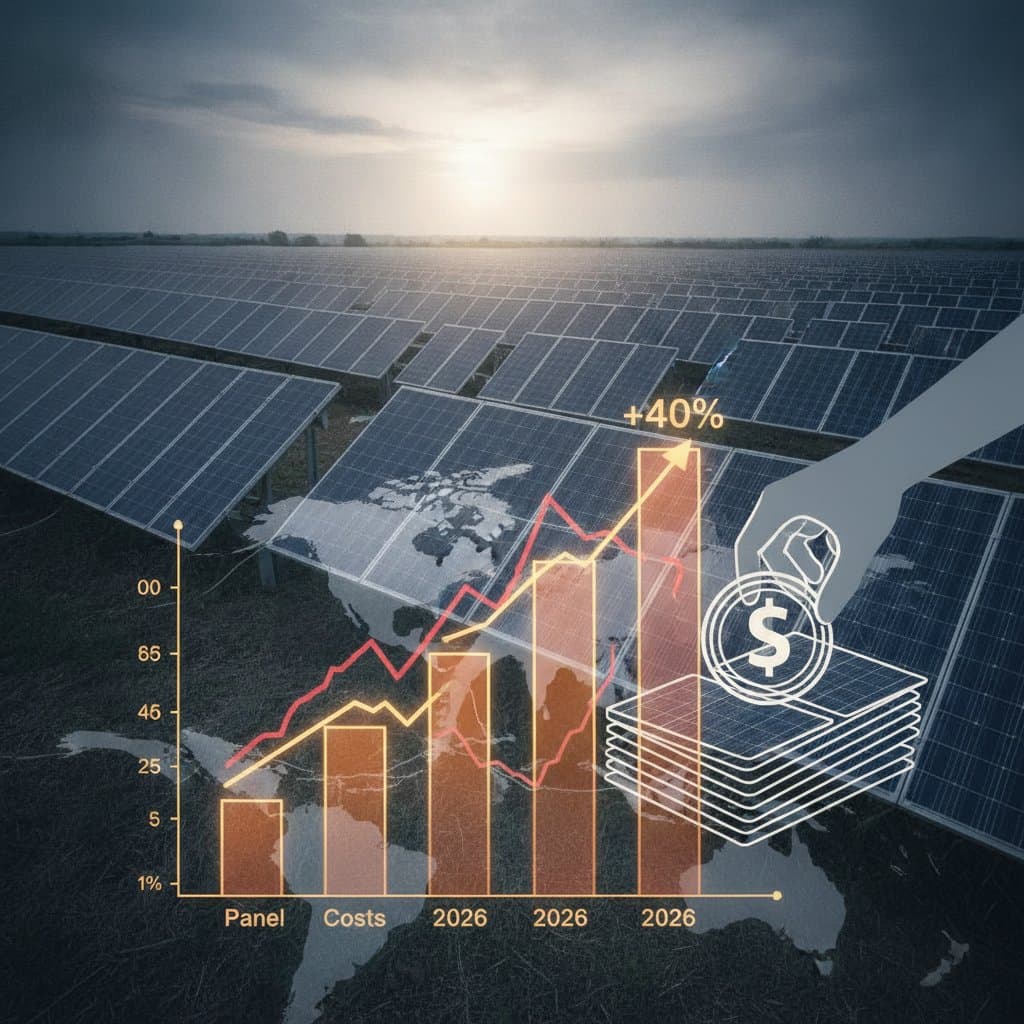
Proposed tariffs may lift solar module prices 40 percent by 2026. Developers face margin pressure and supply shifts while domestic production scales slowly.
Loading...
Articles tagged with solar
Proposed tariffs may lift solar module prices 40 percent by 2026. Developers face margin pressure and supply shifts while domestic production scales slowly.
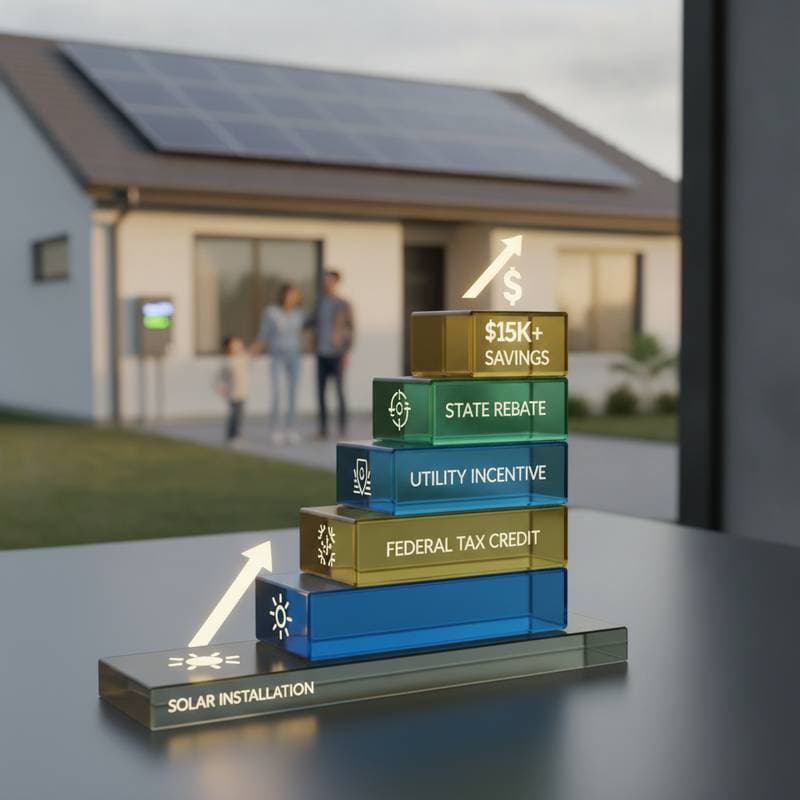
Homeowners and businesses cut more than fifteen thousand dollars from solar projects by layering state rebates with utility incentives, tax exemptions, and performance payments. Proper sequencing and documentation unlock the full value of available programs.
By 2026 solar shingles are expected to reach cost parity with traditional panels. Advances in manufacturing, streamlined installation, and supportive incentives are driving rapid price declines.
New United States tariffs on imported solar panels will raise prices by 18 percent this spring. The duties target Chinese linked supply chains and increase pressure on developers to secure inventory and renegotiate contracts.
PACE financing replaces large upfront solar costs with manageable property tax assessments. Homeowners and businesses gain access to long term, transferable funding that aligns payments with energy savings and supports nationwide clean energy adoption.
Thirty-year solar loans reduce monthly payments yet increase total interest substantially. Review repayment structures, incentive application, equipment lifespan, and resale considerations to determine whether extended financing supports lasting savings.
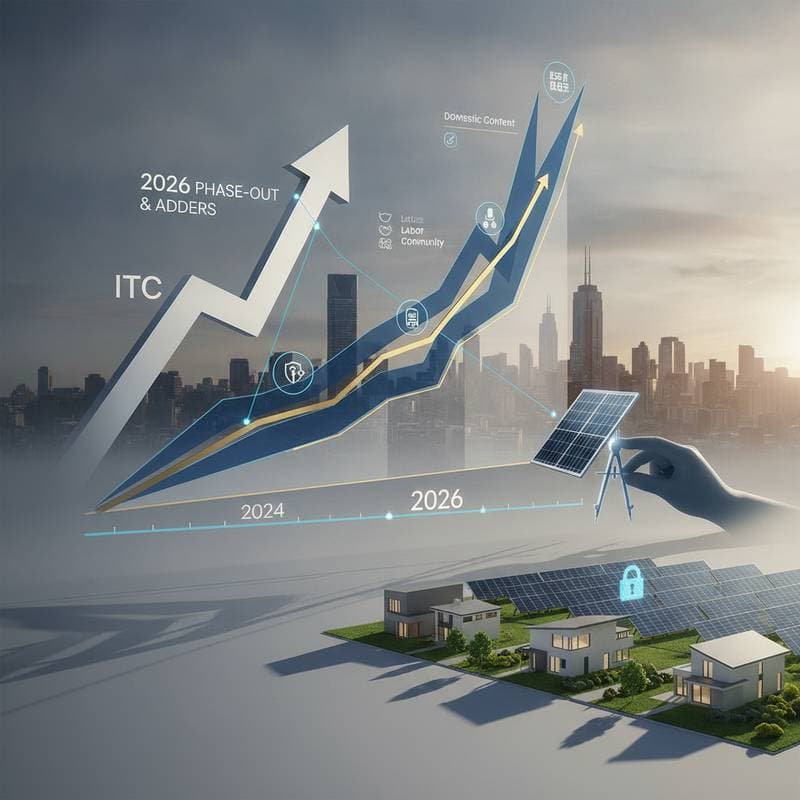
Learn how to maximize solar savings by strategically stacking federal and state incentives. From leveraging the Investment Tax Credit and new policy adders to navigating rebates, depreciation, and compliance, this guide explains how homeowners and developers can cut costs, boost returns, and strengthen project economics in a dynamic solar market.
U.S. solar developers face potential panel price increases of up to 40 percent by 2026 as trade officials consider expanded tariffs on imports from Southeast Asia. The shift could disrupt supply chains and project budgets.
U.S. solar developers will face an 18 percent module price increase starting in 2026 when new import tariffs take effect. The policy will reshape procurement, pressure margins, and shift project timelines while supporting domestic manufacturing growth.
PACE financing lets property owners install solar with no upfront cost or credit check, repaid through property taxes. By linking repayment to the property, it expands access, boosts contractor sales, and attracts investors. Growing nationwide, PACE combines clean energy progress with secure, scalable financing and evolving consumer protections.
Major shifts to the Solar Investment Tax Credit in 2026 will reshape project timing, financing, and supply chains. Homeowners and developers should plan early to secure higher incentives and navigate evolving qualification rules.
Virtual power plants transform rooftop solar from a passive energy source into an active income stream. By linking solar panels and batteries into coordinated networks, homeowners earn money providing grid services, boost resilience, and support cleaner energy.
Solar panels inevitably degrade, but knowing when to repair or replace defines long term performance and profitability. This guide explains how to identify irreversible damage, weigh cost and system impacts, and plan strategic upgrades.
The 2026 IRA updates reshape solar project economics by phasing down bonus depreciation and altering tax credit interactions with depreciable basis. Developers and investors must adapt financing models, ownership structures, and timelines to sustain returns and maintain compliance.
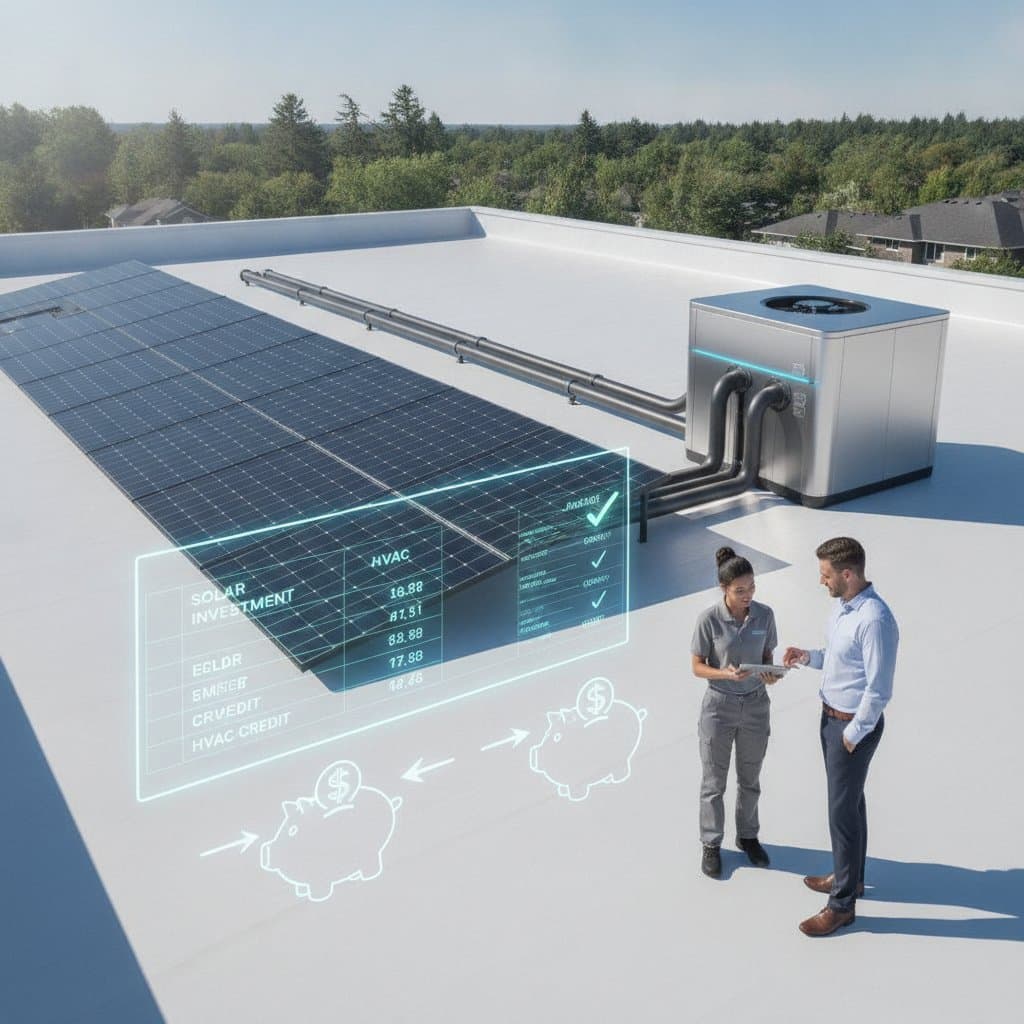
Federal tax rules allow solar and HVAC upgrades to earn separate credits when costs are allocated correctly. Proper documentation and installer transparency help homeowners and businesses capture full incentives while staying compliant.
Perovskite solar cells near 33 percent efficiency. Tandem designs, stability gains, and pilot production lines bring commercialization within reach for high-performance solar modules.
Starting in 2026, revised IRA rules accelerate solar asset depreciation by 60 percent. Faster cost recovery improves early cash flow while requiring updated financial models, financing structures, and tax strategies across commercial and utility markets.
U.S. solar panel prices are set to rise 30 percent by 2026 as new tariffs tighten supply. Developers, EPCs, and utilities must adjust procurement to manage higher costs and longer timelines.
Virtual power plants convert residential solar and storage into revenue sources that pay homeowners roughly $400 each year. Aggregated systems supply fast grid services, cut utility expenses, and open new income streams for participants.
New U.S. tariffs will raise solar panel prices by 18 percent this spring. The policy aims to boost domestic manufacturing but may delay projects and tighten supply chains. Industry leaders call for balanced incentives and strategic planning.