#2026

Articles tagged with 2026 - Page 4

Featured image for Stack 3 IRA Programs to Cut Solar Costs by $20K

Stack 3 IRA Programs to Cut Solar Costs by $20K

Homeowners can achieve up to $20,000 in savings on solar projects by combining three Inflation Reduction Act incentives: the Residential Clean Energy Credit, Energy Efficient Home Improvement Rebate, and High-Efficiency Electric Home Rebate. This approach reduces costs, supports home electrification, and amplifies renewable energy advantages.

5 min read
Featured image for Stack State and Federal Solar Credits for 50% Savings

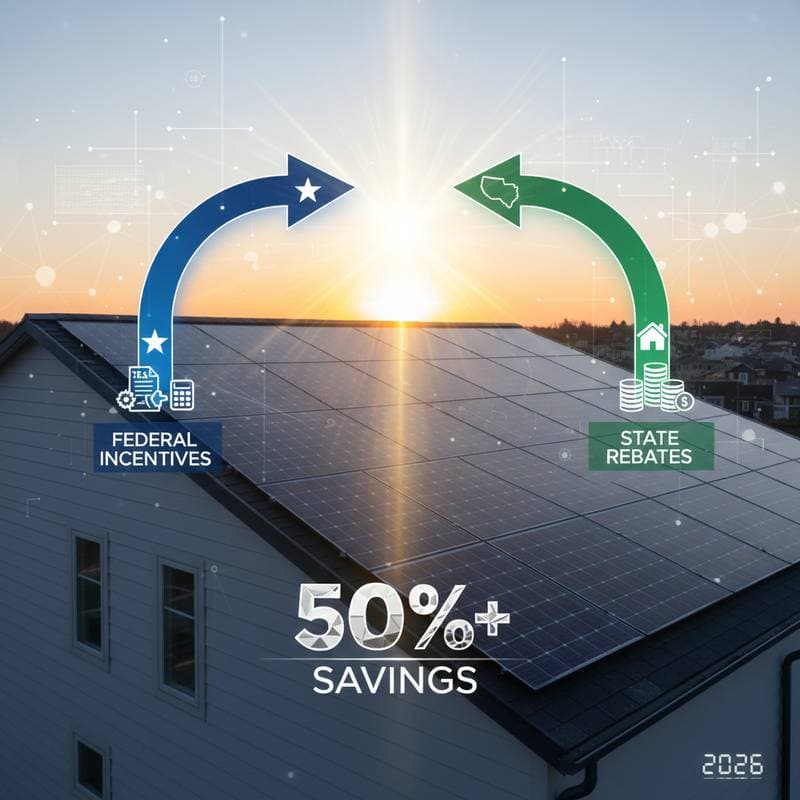
Stack State and Federal Solar Credits for 50% Savings

In 2026, solar developers and homeowners can achieve substantial savings by combining federal and state incentives. Expanded tax credits, bonus adders, and local rebates reduce costs by more than 50 percent. Proper compliance, documentation, and adherence to domestic content rules ensure optimal returns in this dynamic solar market.

6 min read
Featured image for Solar Projects Must Go Live by June 30 for Full ITC

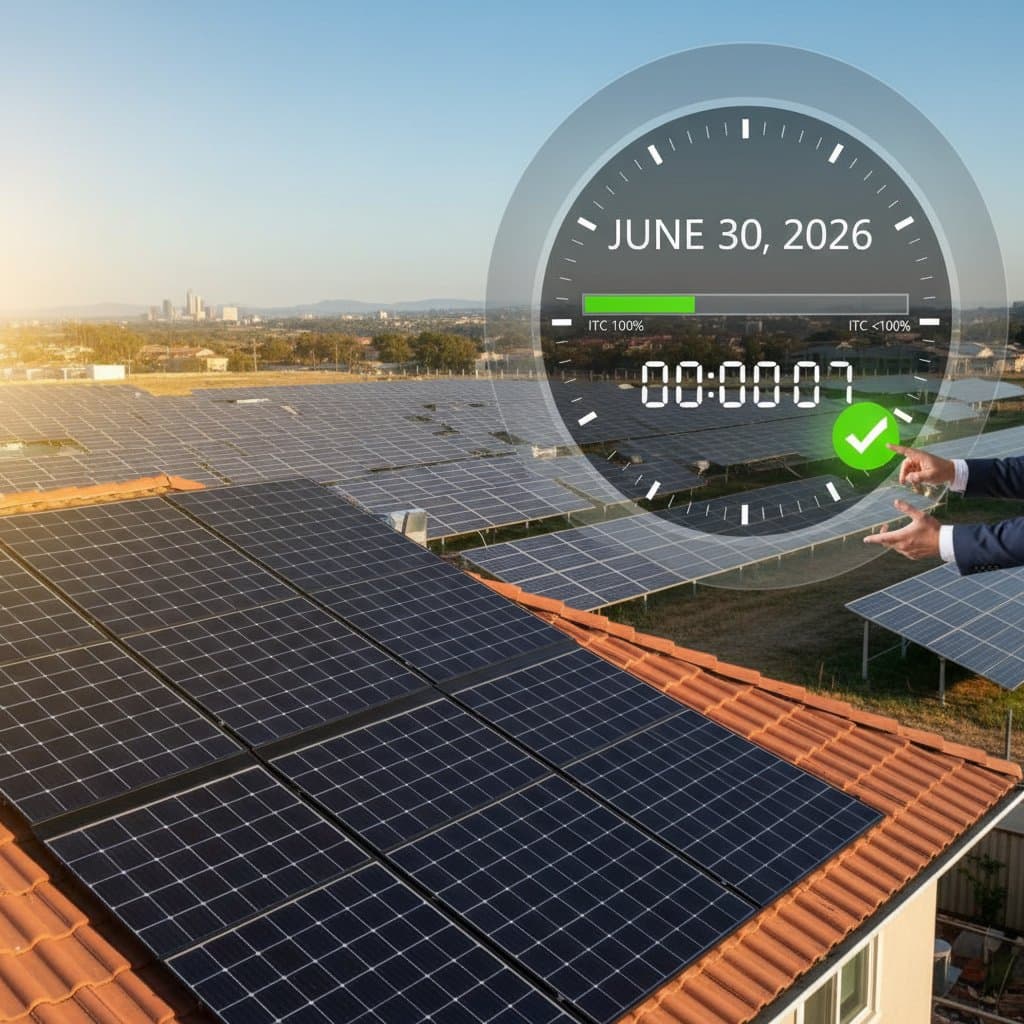
Solar Projects Must Go Live by June 30 for Full ITC

Solar developers and homeowners face a critical June 30 deadline to qualify for the full 2026 federal Investment Tax Credit. Projects must be operational—not just under construction—by that date. Early planning, confirmed timelines, and proactive coordination can prevent costly delays and ensure systems capture the maximum available tax benefit.

4 min read
Featured image for IRS Cuts Solar Depreciation to 5 Years for Faster ROI

IRS Cuts Solar Depreciation to 5 Years for Faster ROI

The IRS has reduced the depreciation period for solar energy systems to five years, enabling faster cost recovery and higher project returns. This standardized approach simplifies asset classifications, improves financing options, and could drive growth in domestic manufacturing. Developers, investors, and tax professionals need to adjust strategies promptly to leverage these changes in solar economics and planning.

4 min read
Featured image for New 2000W Limit Makes Balcony Solar Worth It

New 2000W Limit Makes Balcony Solar Worth It

The recent increase to a 2000W plug-in solar limit revolutionizes urban energy solutions, allowing renters and apartment dwellers to install balcony systems without permits. This policy doubles capacity, enhances affordability, and drives growth in modular solar for multifamily housing across the United States.

5 min read
Featured image for 12 States Launch TOU Rates: Solar Savings in 2026

12 States Launch TOU Rates: Solar Savings in 2026

In 2026, twelve states implement time-of-use electricity rates to incentivize off-peak consumption. Solar customers gain advantages by aligning generation, storage, and usage with these rates, shortening payback periods and aiding grid balance. Prepare now with practical steps to adapt and maximize benefits in this energy shift.

5 min read
Featured image for Stacking Solar Incentives Can Cut 2026 Install Costs

Stacking Solar Incentives Can Cut 2026 Install Costs

Stacking federal and state solar incentives in 2026 reduces installation costs significantly and shortens payback periods. The Inflation Reduction Act provides stable federal credits, while states enhance rebates; strategic planning with storage and timing maximizes savings for homeowners and businesses.

4 min read
Featured image for Micro and String Inverter Prices Converge in 2026

Micro and String Inverter Prices Converge in 2026

The 2026 solar inverter market faces unprecedented price convergence between micro and string technologies. Falling costs, shifting installer priorities, and evolving hybrid solutions are redefining system design and procurement strategies. As competition intensifies, success depends on balancing cost efficiency, reliability, and adaptability across rapidly changing residential and commercial solar segments.

5 min read
Featured image for Solar Tariffs Drive 18% Panel Price Surge in 2026

Solar Tariffs Drive 18% Panel Price Surge in 2026

New tariffs in 2026 are driving an 18% surge in solar panel prices, impacting U.S. developers' budgets, supply choices, and timelines. Utility-scale initiatives face the greatest risks, as local producers hurry to boost output. In this uncertain policy landscape, the sector works to manage escalating expenses, evolving supply networks, and commitments to clean energy expansion.

5 min read
Featured image for IRA Phase 2 Brings Upfront Solar Rebates in 2026

IRA Phase 2 Brings Upfront Solar Rebates in 2026

Launching in 2026, IRA Phase 2 shifts solar incentives from tax credits to upfront rebates, improving accessibility, supporting domestic manufacturing, and accelerating project paybacks. State programs, compliance requirements, and updated installation standards will transform project economics, enabling homeowners, businesses, and developers to achieve significant solar savings and seize market opportunities across the U.S.

4 min read
Featured image for States Ending Solar Net Metering in 2026

States Ending Solar Net Metering in 2026

As U.S. states phase out traditional net metering policies, the solar industry confronts major shifts in energy compensation, project financing, and customer adoption rates. California's move to net billing exemplifies broader trends, while Midwest fixed charges and Southeast time-of-use reforms signal a new era for distributed solar economics. Installers and investors must navigate these changes to capitalize on emerging opportunities in storage and dynamic pricing.

4 min read
Featured image for State Solar Rebates Now Reach $23K When Stacked

State Solar Rebates Now Reach $23K When Stacked

Eight U.S. states offer solar rebates up to $23,000, making residential installations a quicker, more rewarding investment. Stacking incentives with federal credits and utility programs shortens payback times, fosters equity, and drives clean energy expansion. Explore these savings in key markets.

4 min read
Featured image for IRA Solar Depreciation Cuts Tax Bills in Year One

IRA Solar Depreciation Cuts Tax Bills in Year One

The Inflation Reduction Act offers solar investors a key advantage: accelerated depreciation that cuts taxes upfront and amplifies returns. Paired with the investment tax credit, this incentive acts as a powerful enhancer, improving cash flow and driving faster reinvestment in U.S. clean energy initiatives.

6 min read
Featured image for Tax Stacking Cuts Solar Costs 56% in 2026

Tax Stacking Cuts Solar Costs 56% in 2026

Tax stacking revolutionizes solar economics by layering federal, state, and local incentives to secure up to 56% savings by 2026. Developers and installers optimize these benefits to minimize costs, improve profitability, and broaden solar adoption through precise incentive planning.

4 min read
Featured image for Stack Federal and State Solar Credits for Maximum Savings

Stack Federal and State Solar Credits for Maximum Savings

The Inflation Reduction Act opens doors to substantial tax savings for solar installations through effective incentive stacking. Pairing federal Investment Tax Credits with state rebates, utility programs, and bonus adders enables homeowners and developers to lower expenses significantly. Thoughtful planning, precise documentation, and strategic timing maximize these advantages, paving the way for a cost-effective shift to renewable energy.

5 min read