15 States Cut Solar Property Taxes in 2026
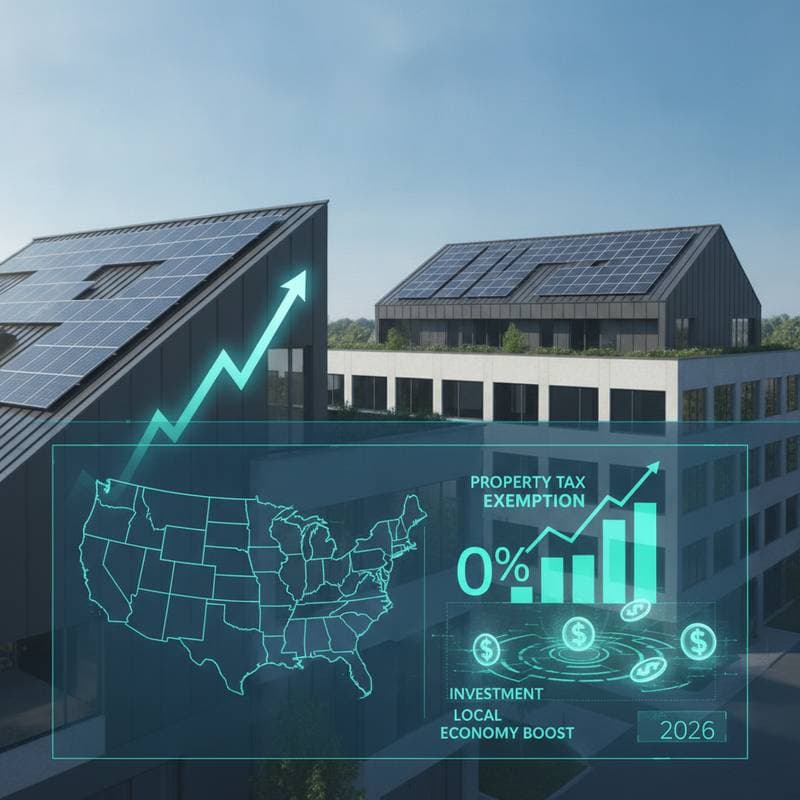
Fifteen states exempt solar systems from property taxes in 2026. The policies remove added equipment value from assessments and support wider adoption of renewable energy.
Loading...
Articles tagged with state
Fifteen states exempt solar systems from property taxes in 2026. The policies remove added equipment value from assessments and support wider adoption of renewable energy.
The Inflation Reduction Act tax credits and state level solar incentives combine to deliver record savings. Strategic stacking of federal adders with local rebates, loans, and performance programs shortens payback periods and boosts project returns.
New federal guidance now permits solar developers and property owners to combine Inflation Reduction Act tax credits with state incentives. This clarification removes financing uncertainty and enables stronger returns along with faster project paybacks.
In 2026, mastering tax credit stacking could dramatically cut solar installation costs. By strategically combining federal, state, and utility incentives plus new energy storage credits, homeowners and businesses can unlock major savings. Timing, documentation, and expert coordination are key to maximizing benefits.
Starting in 2026, twelve states will exempt solar installations from property tax assessments, reducing costs for adopters and spurring investment in clean energy. These policies exclude solar value from taxable property totals, shortening payback times and enhancing market growth across the U.S.
In 2026, fifteen states implement new property tax exemptions for solar systems, marking a pivotal advancement in clean energy policy. These incentives eliminate tax increases from solar installations, incorporate battery storage options, enhance investor appeal, and promote economic growth through job creation and energy independence.
Solid-state batteries revolutionize energy storage by offering three times the durability of lithium-ion cells. Replacing liquid electrolytes with robust solids enhances safety, boosts energy density, and improves efficiency. Though production challenges persist, their longevity reduces waste and supports sustainable applications in electric vehicles and renewable systems.
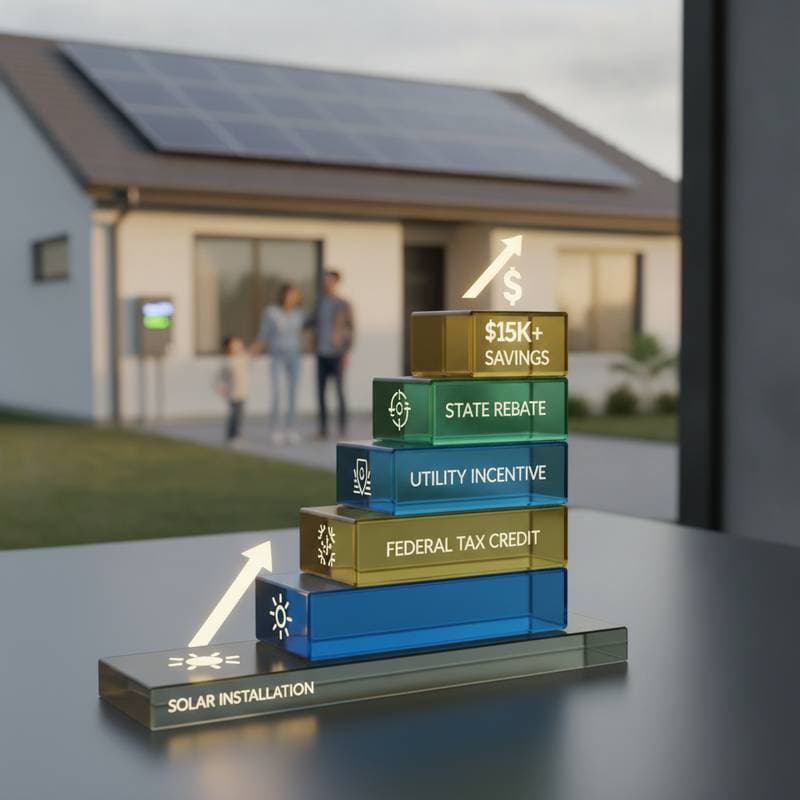
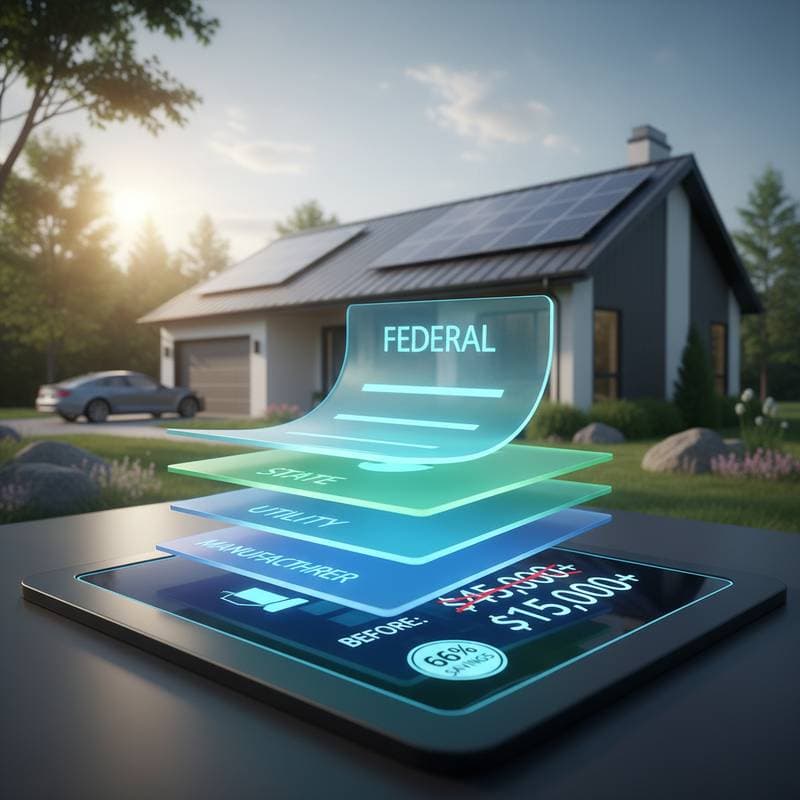
Homeowners throughout the United States stack federal, state, utility, and manufacturer rebates to reduce solar installation costs by over $15,000. This method lowers expenses by two-thirds, depending on location and available programs. Proper timing, documentation, and professional advice make rebate stacking a straightforward path to affordable solar energy.
Homeowners and businesses across key U.S. states now access up to $12,000 in combined solar rebates from federal, state, and utility sources. This incentive stacking boosts adoption rates, refines installer approaches, and trims payback times, creating urgent opportunities as funds and eligibility evolve.
Eight U.S. states offer solar rebates up to $23,000, making residential installations a quicker, more rewarding investment. Stacking incentives with federal credits and utility programs shortens payback times, fosters equity, and drives clean energy expansion. Explore these savings in key markets.
In 2026, several U.S. states will double solar rebates to enhance accessibility and spur growth. This breakdown covers leading states like New York and Texas, analyzes market shifts, and outlines opportunities for homeowners and installers.
Qualifying homeowners and businesses can access up to $12,000 in solar rebates before 2026, combining federal credits, state programs, and storage incentives. Early action prevents delays, secures current pricing, and guarantees eligibility as funds dwindle.
Homeowners across the United States save up to $15,000 on solar systems by layering the federal IRA's 30% tax credit with state rebates and incentives. This strategy shortens payback times, drives wider adoption, and positions installers as key financial guides in navigating rewarding solar opportunities.
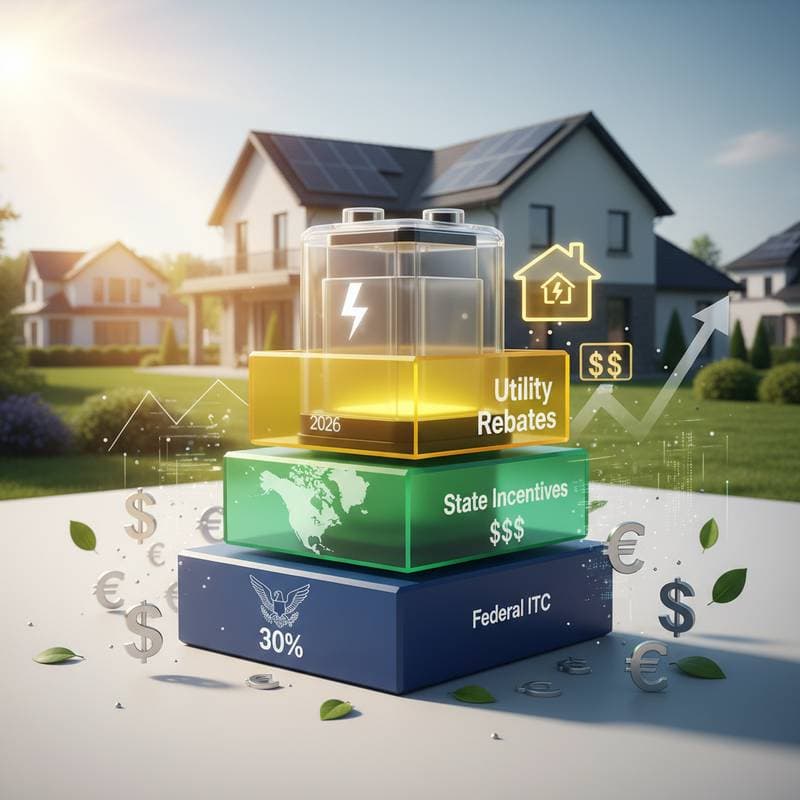
Homeowners across the U.S. reduce solar battery expenses by stacking federal, state, and utility rebates, achieving savings up to $15,000. This method, centered on the federal ITC, accelerates adoption and market expansion. Installers who excel in compliance and timing secure key advantages in solar financing.
Homeowners have until March 2026 to access more than $12,000 in combined solar rebates. These incentives from federal, state, and utility programs offer substantial savings, yet time is limited as funding may decrease. Partnering with a certified installer ensures eligibility and full benefits before opportunities fade.
Homeowners and businesses can slash solar costs by more than $15,000 by stacking rebates from federal, state, and local sources. This guide covers eligibility checks, application steps, state-specific options, and financing tips to secure maximum benefits and accelerate returns.
Access over $12,000 in state solar rebates to reduce installation expenses significantly. Learn about premier programs, qualification processes, and incentive combinations via our State Solar Rebate Tracker for location-specific, current details.
Strategic stacking of solar rebates from federal, state, and local sources can save homeowners over $15,000 on installations. Master eligibility, application order, and installer roles to claim full benefits and shorten payback periods significantly.
Twelve U.S. states provide battery storage rebates over $5,000, slashing installation expenses and strengthening grid resilience. Spanning California to Colorado, these programs aid homeowners and businesses in advancing clean energy. Explore eligibility details, capacity rules, and strategies to optimize your incentives for energy autonomy.
Strategic stacking of three state solar rebates allows homeowners to reduce installation costs by more than $15,000, combining upfront credits with performance-based rewards.