IRA Solar Credit Shifts to Bonus Tiers in 2026
Stricter domestic content, labor, and community rules take effect in 2026. Learn how to maintain full IRA solar tax credit eligibility and capture available bonuses.
Loading...
Articles tagged with rebate
Stricter domestic content, labor, and community rules take effect in 2026. Learn how to maintain full IRA solar tax credit eligibility and capture available bonuses.
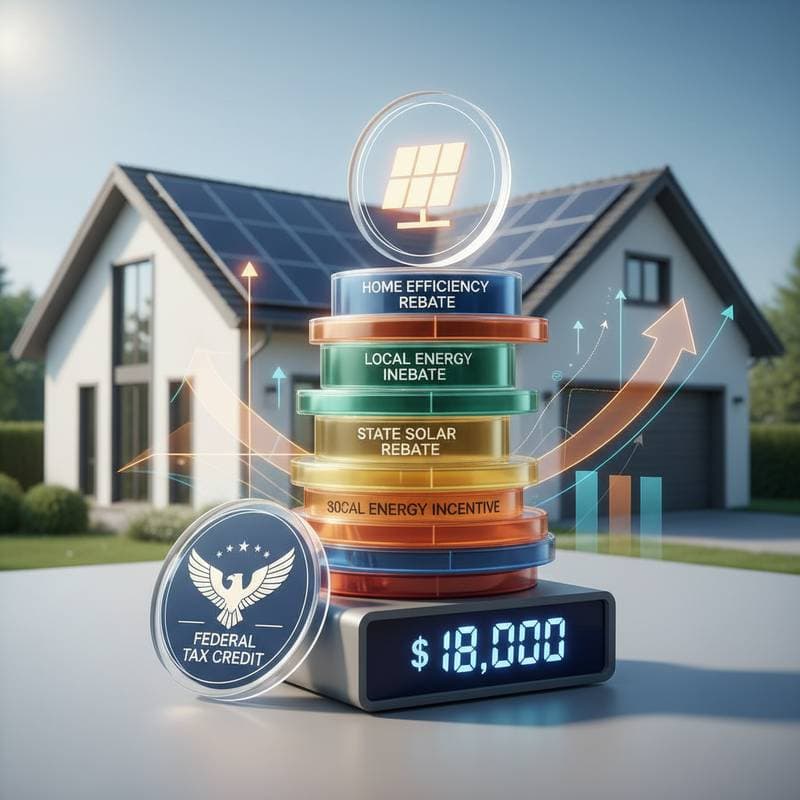
Homeowners can save up to 15000 dollars by stacking federal and state rebates under the Inflation Reduction Act. Combining solar, energy efficiency, and electrification incentives cuts upfront costs and strengthens local economies.
Homeowners reduce solar installation expenses by layering federal credits with state rebates and Inflation Reduction Act programs. This guide outlines the correct order of applications, documentation requirements, and steps that protect total savings.
The 30% solar Investment Tax Credit from the Inflation Reduction Act fuels U.S. solar expansion, but its phase-down looms. Secure the full incentive by starting construction soon, affecting homeowners, businesses, and renewable planning.
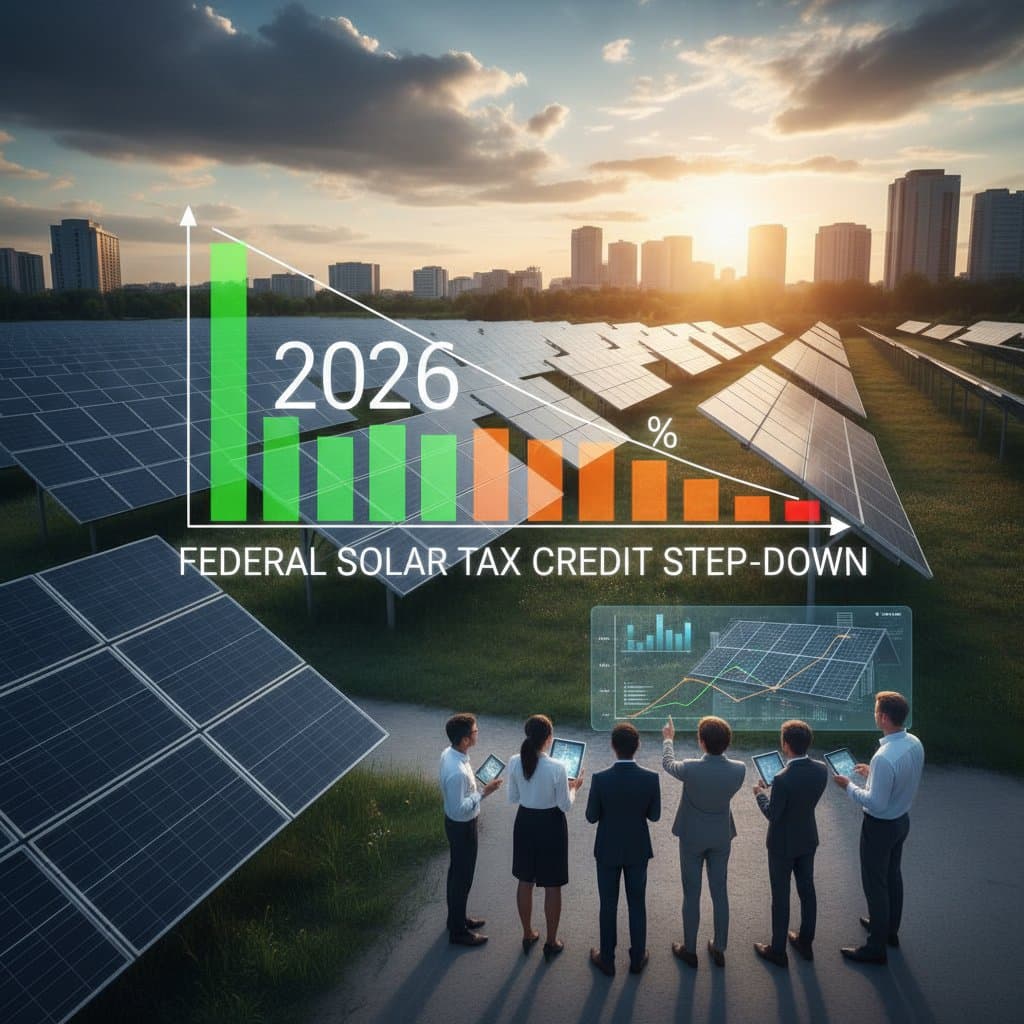
The federal solar Investment Tax Credit faces a 4% reduction in 2026 as part of the Inflation Reduction Act's phase-down. This adjustment influences residential and commercial solar projects, prompting accelerated installations to lock in current incentives before changes alter financing and economics.
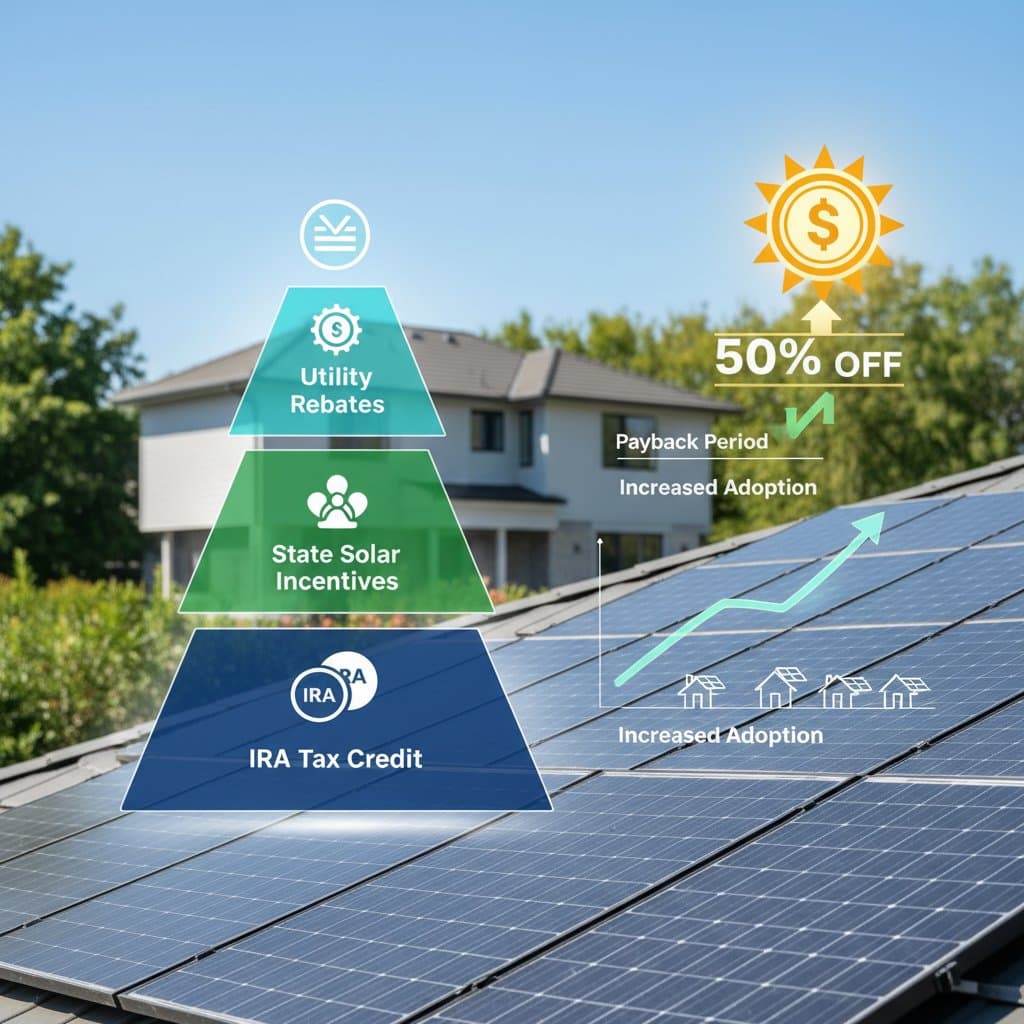
A key provision in the Inflation Reduction Act enables homeowners to combine federal tax credits with state and utility rebates, potentially halving solar installation costs. This legal stacking shortens payback periods and drives broader solar access, prompting experts to advise quick action amid possible policy shifts.
Homeowners throughout the United States stack federal, state, utility, and manufacturer rebates to reduce solar installation costs by over $15,000. This method lowers expenses by two-thirds, depending on location and available programs. Proper timing, documentation, and professional advice make rebate stacking a straightforward path to affordable solar energy.
Stacking federal and state solar incentives in 2026 offers up to 50 percent cost reductions for projects. Key to success lies in mastering credit order, compliance rules, and financing alignment. This approach delivers quicker returns, improved cash flow, and a competitive edge in the growing solar sector.
In 2026, several U.S. states will double solar rebates to enhance accessibility and spur growth. This breakdown covers leading states like New York and Texas, analyzes market shifts, and outlines opportunities for homeowners and installers.
Homeowners across the United States save up to $15,000 on solar systems by layering the federal IRA's 30% tax credit with state rebates and incentives. This strategy shortens payback times, drives wider adoption, and positions installers as key financial guides in navigating rewarding solar opportunities.
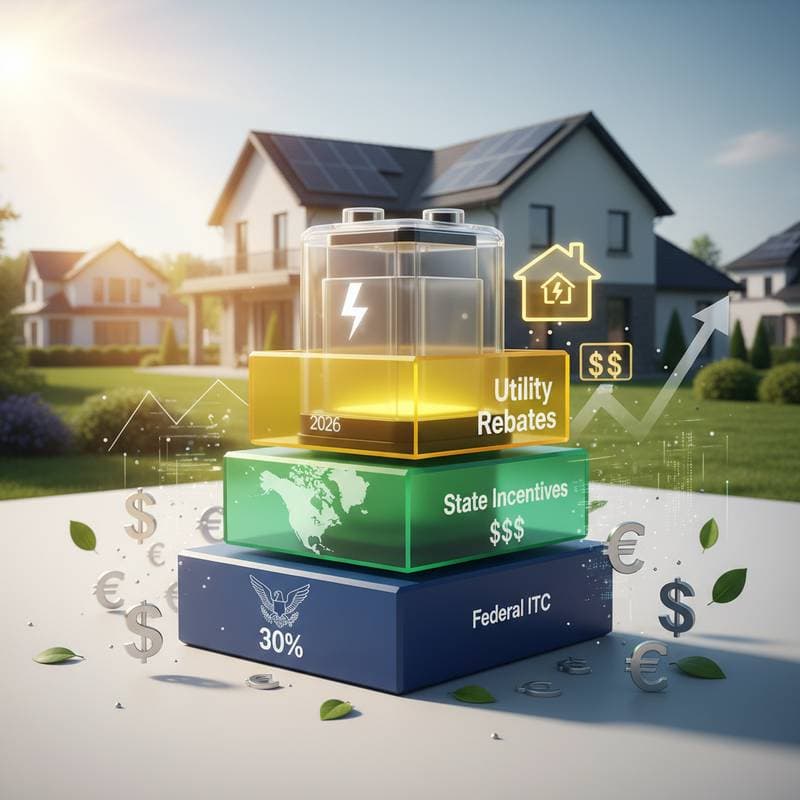
Homeowners across the U.S. reduce solar battery expenses by stacking federal, state, and utility rebates, achieving savings up to $15,000. This method, centered on the federal ITC, accelerates adoption and market expansion. Installers who excel in compliance and timing secure key advantages in solar financing.
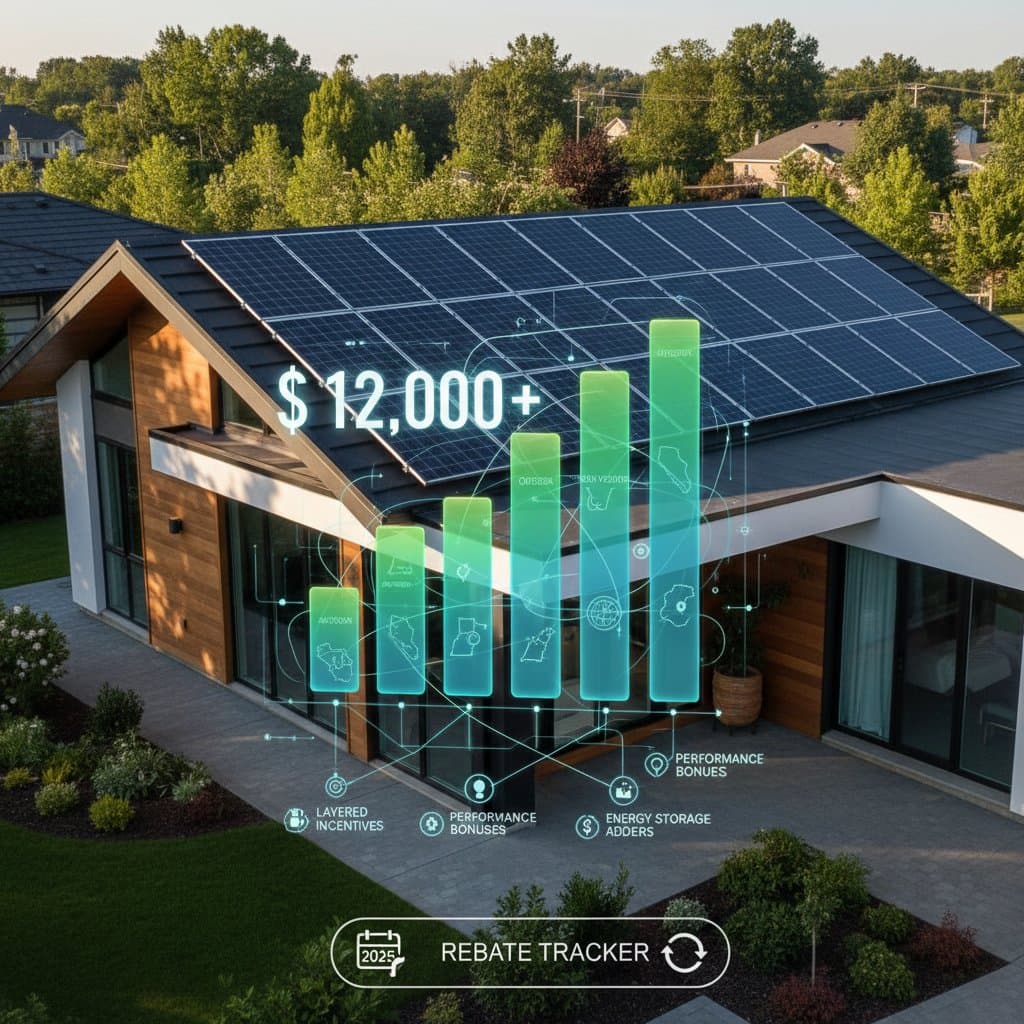
Homeowners have until March 2026 to access more than $12,000 in combined solar rebates. These incentives from federal, state, and utility programs offer substantial savings, yet time is limited as funding may decrease. Partnering with a certified installer ensures eligibility and full benefits before opportunities fade.
Homeowners and businesses can slash solar costs by more than $15,000 by stacking rebates from federal, state, and local sources. This guide covers eligibility checks, application steps, state-specific options, and financing tips to secure maximum benefits and accelerate returns.
A $1,200 rebate now incentivizes the installation of reflective cool roofs alongside solar panels for U.S. homeowners and businesses. These upgrades minimize heat buildup, improve solar output, and lower overall energy expenses. With straightforward eligibility requirements, the program promotes combined efficiency and renewable energy solutions.
Strategic stacking of three state solar rebates allows homeowners to reduce installation costs by more than $15,000, combining upfront credits with performance-based rewards.
Eight U.S. states provide homeowners with solar rebates exceeding $12,000, significantly lowering initial expenses and improving investment returns. Incentives in states from California to Oregon include stacked programs, performance payments, and storage bonuses that transform solar affordability. Identify the top programs and strategies to secure these time-sensitive benefits.
Secure over $12,000 in 2025 state solar rebates on a first-come, first-served basis. Stack with federal credits for optimal savings; consult experts to qualify and install efficiently while funds last.
Homeowners can combine three state solar rebates—renewable energy programs, utility incentives, and performance credits—to achieve more than $15,000 in total savings. This method requires careful planning and coordination but transforms a standard solar setup into a significant financial gain, supporting broader clean energy objectives.
Stacking federal, state, and utility solar rebates can deliver more than $15,000 in savings for your installation. This comprehensive guide details top incentives, eligibility criteria, and proven strategies from expert installers to optimize your investment and achieve faster returns on sustainable energy.
Eight U.S. states plan to deliver up to $25,000 in solar rebates starting in 2025, spurring widespread installations, bolstering local manufacturing, and enhancing energy security. Programs in states like California and New York incorporate storage incentives and domestic content mandates, potentially unlocking 2.5 GW of new solar capacity and reshaping financing approaches for distributed energy projects.