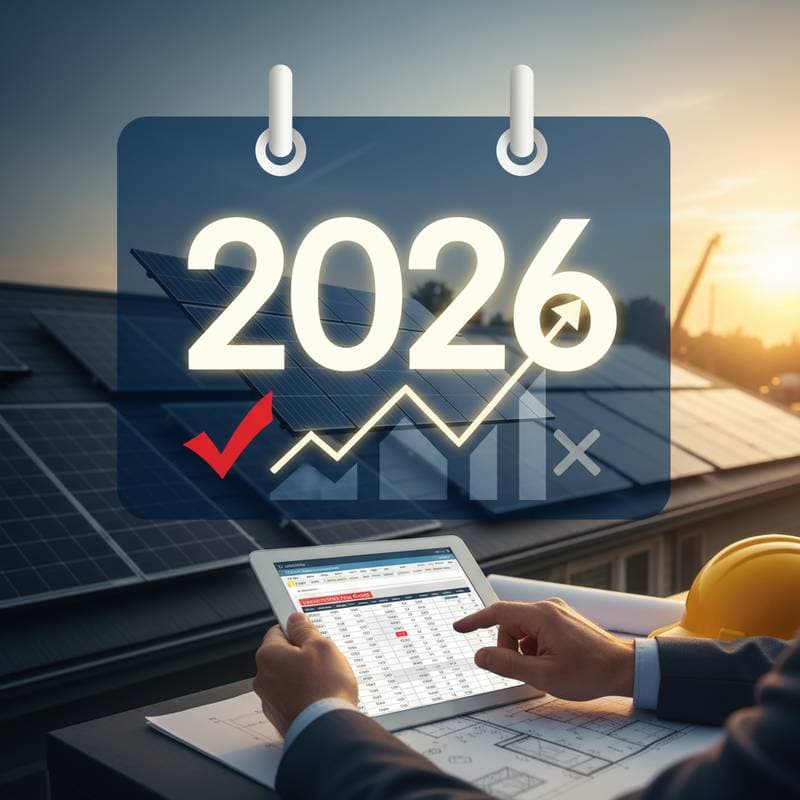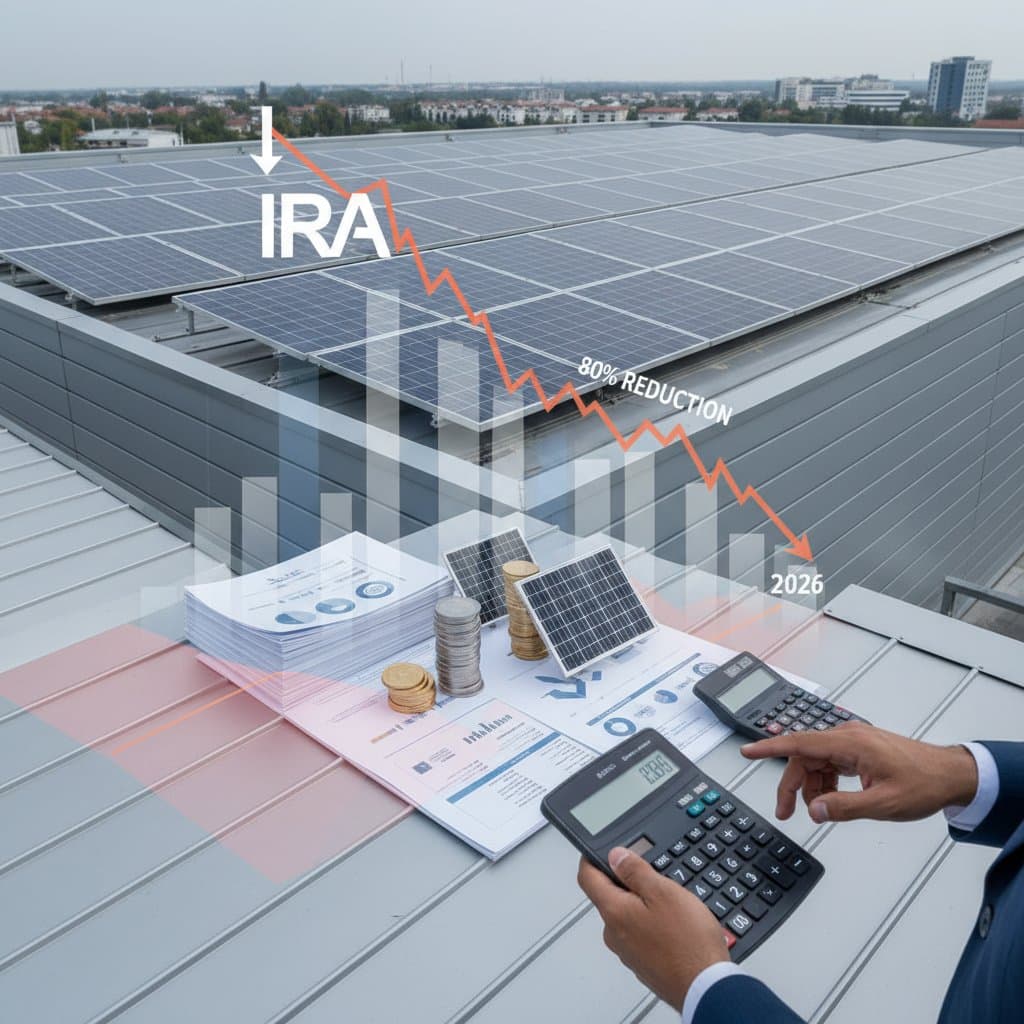
IRS 2026 Rule Gives Solar 5-Year Tax Depreciation
The IRS 2026 rule cements a five-year tax depreciation schedule for solar assets. This offers clarity and stability to investors while aligning with the Inflation Reduction Act.
Loading...
Showing articles 49 - 60 of 701
The IRS 2026 rule cements a five-year tax depreciation schedule for solar assets. This offers clarity and stability to investors while aligning with the Inflation Reduction Act.
A new IRS rule makes the federal solar tax credit fully refundable, transforming solar financing for households, businesses, and nonprofits by turning credits into direct payments.
Home batteries now generate income when linked to virtual power plants. Participants earn payments for sharing energy during peak demand while improving grid reliability and renewable use.
Property Assessed Clean Energy financing removes upfront solar costs by attaching repayment to property taxes. Homeowners gain immediate access to renewable energy with predictable payments that transfer upon sale.
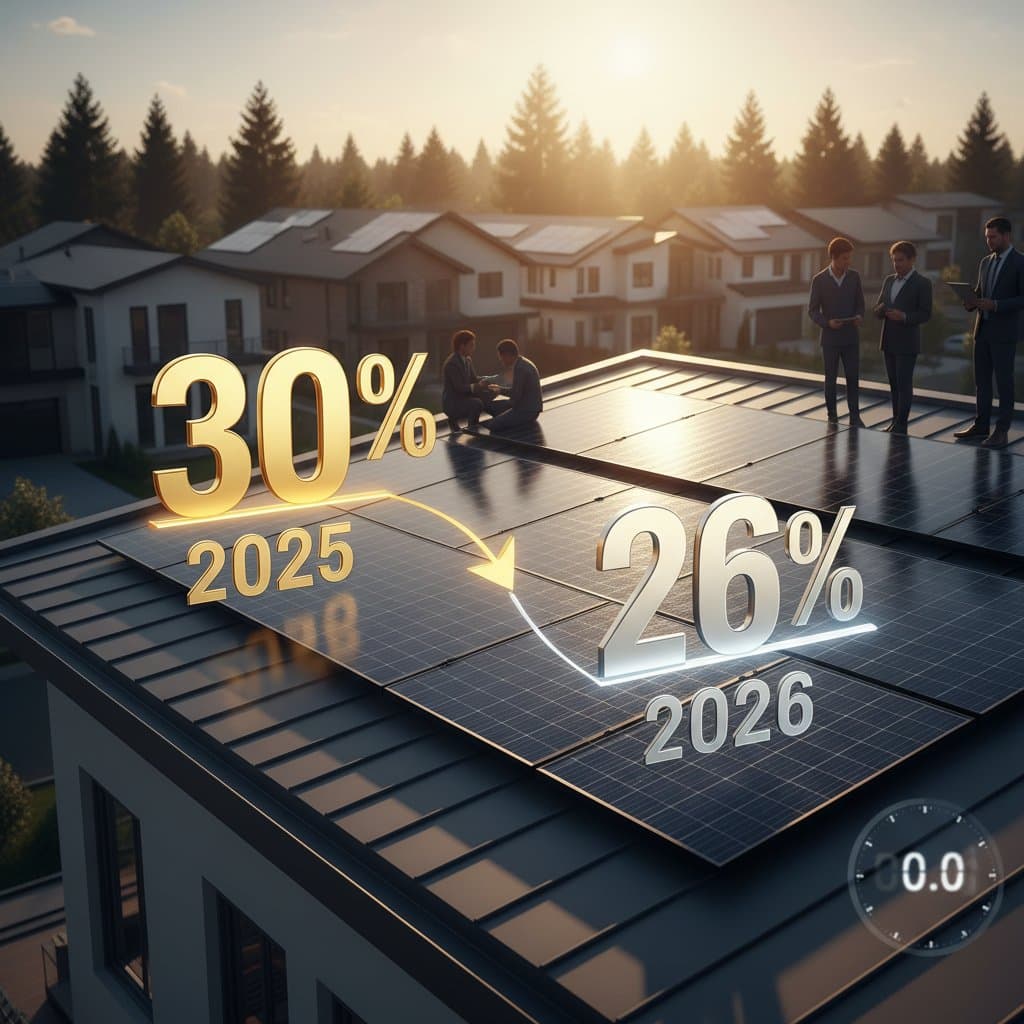
The 30% solar tax credit under the IRA begins stepping down to 26% in 2026. Developers and homeowners who plan now can lock in higher incentives, avoid supply constraints, and maintain project viability.
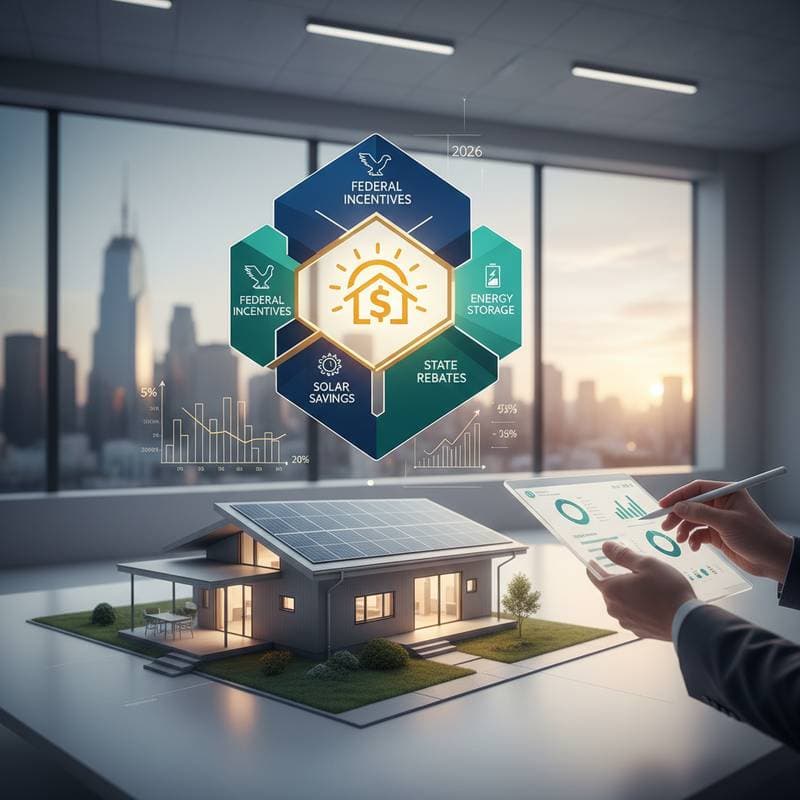
In 2026, mastering tax credit stacking could dramatically cut solar installation costs. By strategically combining federal, state, and utility incentives plus new energy storage credits, homeowners and businesses can unlock major savings. Timing, documentation, and expert coordination are key to maximizing benefits.
Virtual net metering distributes credits from shared solar arrays to multiple subscribers, giving renters and businesses access to clean energy savings through standard utility bills.
New U.S. tariffs proposed for 2026 could raise solar panel prices by up to 40 percent. The change affects project costs, supply strategies, and domestic manufacturing growth.
Virtual power plant programs now pay U.S. homeowners up to $400 per year for sharing limited battery capacity with the grid. Participation requires compatible equipment and adds minimal wear while shortening payback periods.
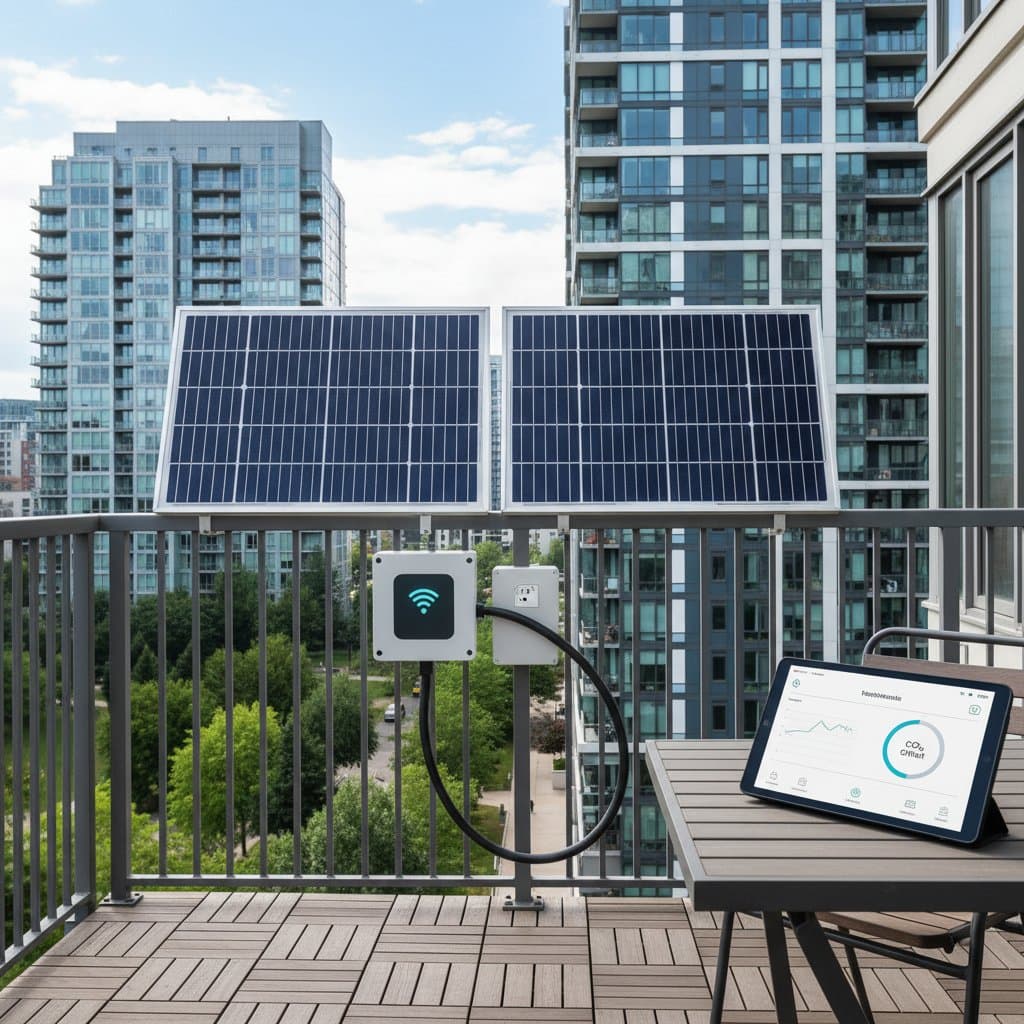
Balcony solar kits give renters plug-and-play access to clean energy. Certified, app-connected, and affordable, these compact systems offset electricity use while fitting urban spaces. As rules evolve, they open a new chapter in personal solar adoption.
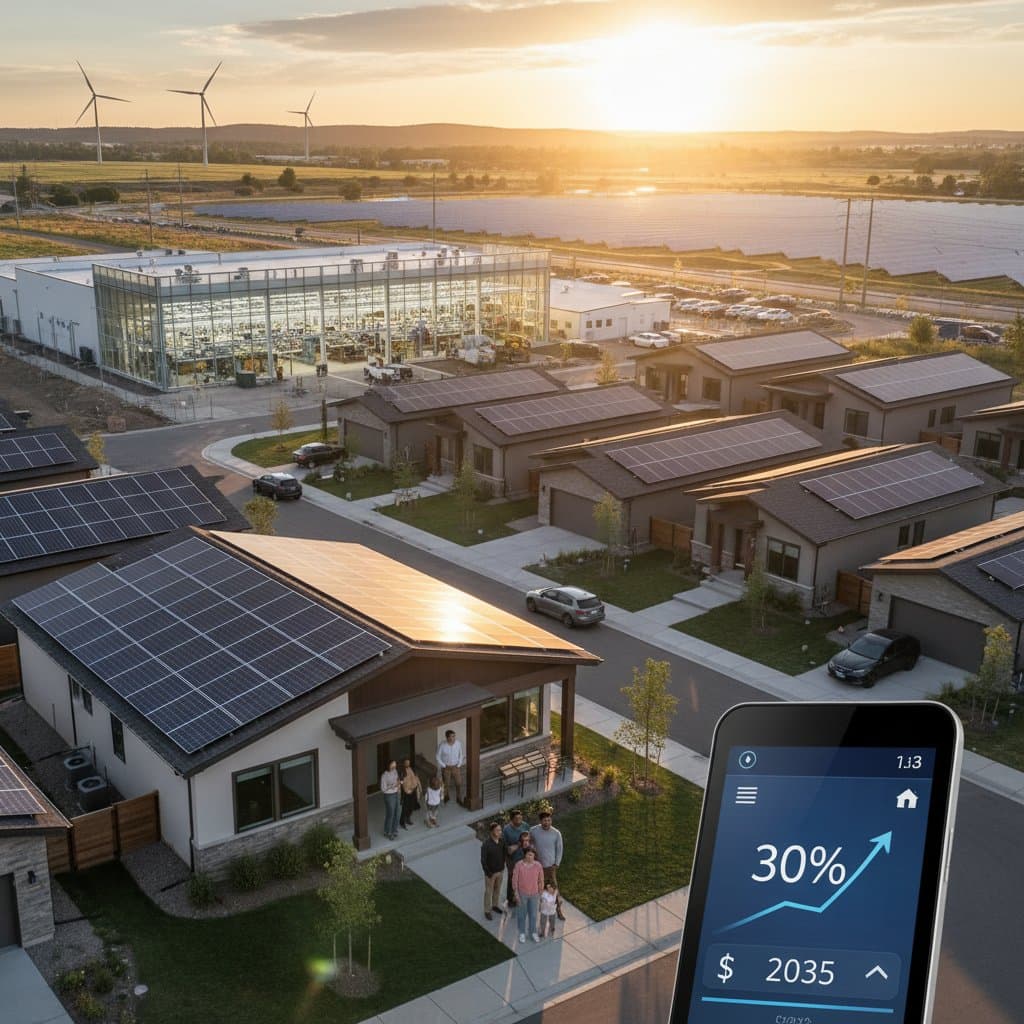
The Inflation Reduction Act extends the 30% federal solar Investment Tax Credit through 2035. This policy delivers long-term stability for homeowners, businesses, and utilities while boosting domestic manufacturing, supporting fair labor practices, and accelerating the clean energy transition.
Pairing smart thermostats with solar power can cut household energy bills by up to $1,200 annually. This approach optimizes energy use, shortens payback periods, and improves comfort through automation. Growing utility incentives and integrated technologies deliver efficiency gains for homeowners and installers alike.
Proposed 2026 tariffs on imported solar panels could raise prices up to 40 percent. Developers, installers, and consumers face higher costs amid limited domestic capacity.
New 2026 tariffs are projected to lift solar module prices by as much as 18 percent. The change will influence project costs, supply planning, and manufacturing investment across residential, commercial, and utility markets.
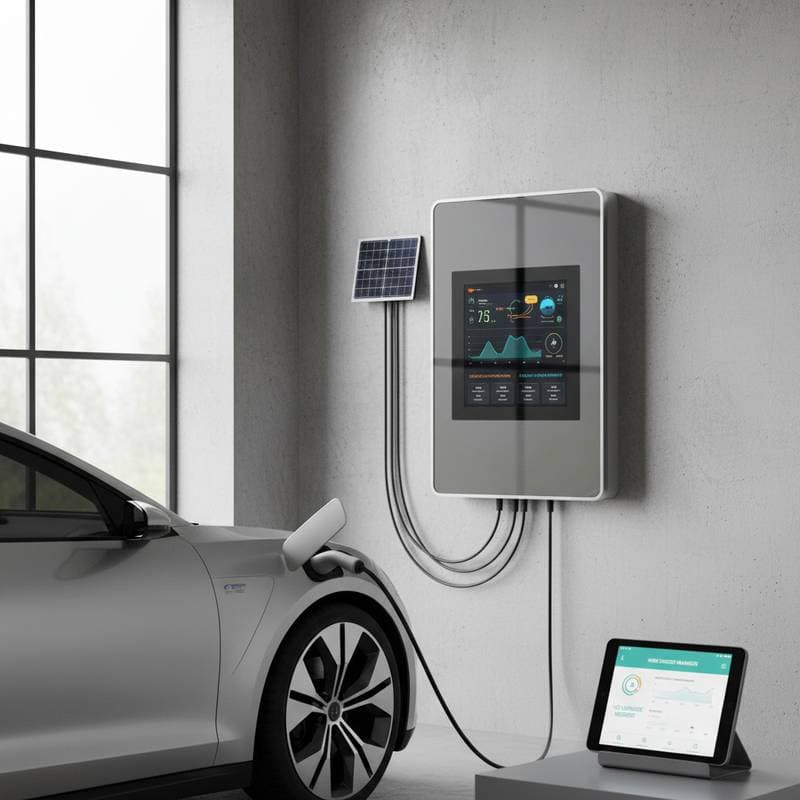
Smart electrical panels eliminate the need for expensive service upgrades by managing loads in real time. Homeowners add solar, batteries, and chargers while staying within existing panel capacity.
The IRS now requires solar systems to be fully operational before filing taxes to claim the Investment Tax Credit. This affects project timing for homeowners and commercial developers alike.
Higher 2026 tariffs on imported solar equipment will raise costs for developers and installers. Proactive procurement, supplier diversification, and efficiency improvements offer practical ways to stay competitive.
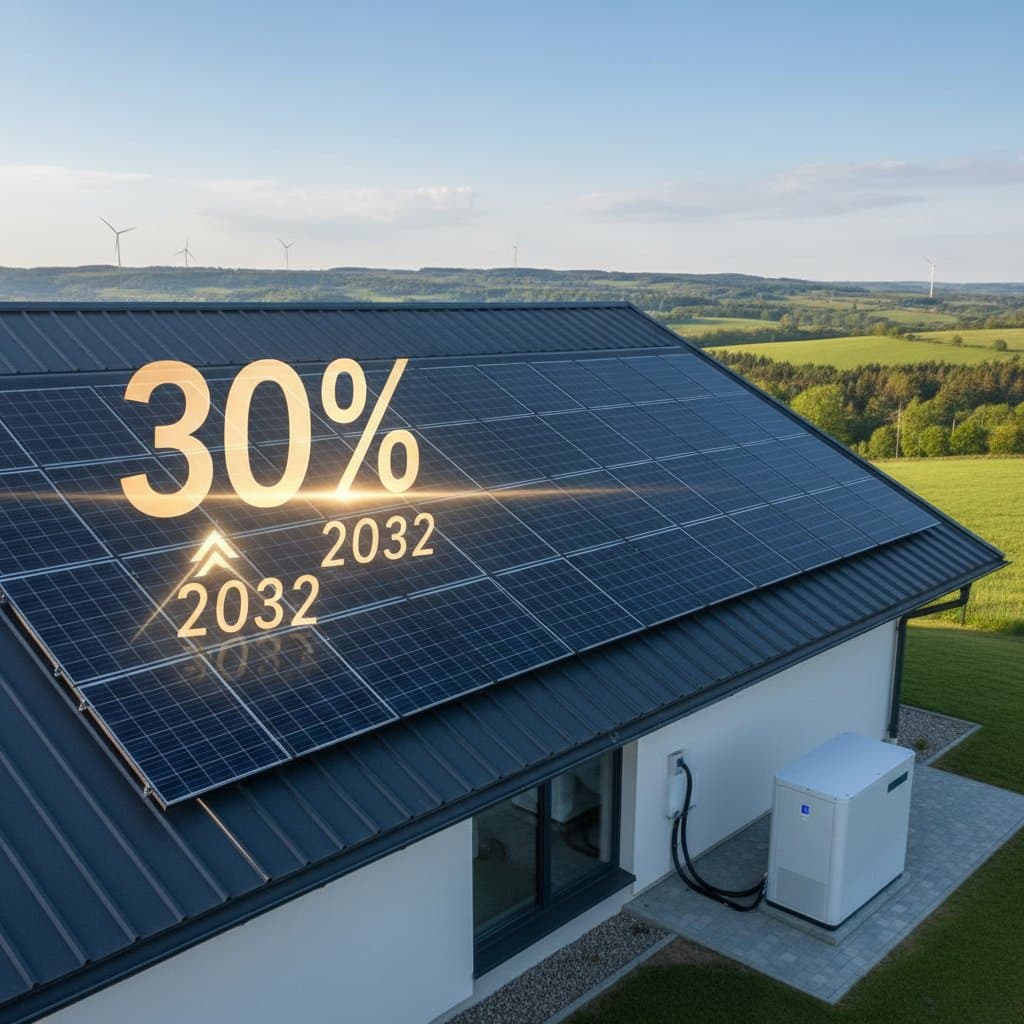
The federal 30% solar investment tax credit, extended through 2032, reduces upfront costs for homeowners and businesses. It covers equipment, labor, and storage while pairing with local incentives for maximum savings.
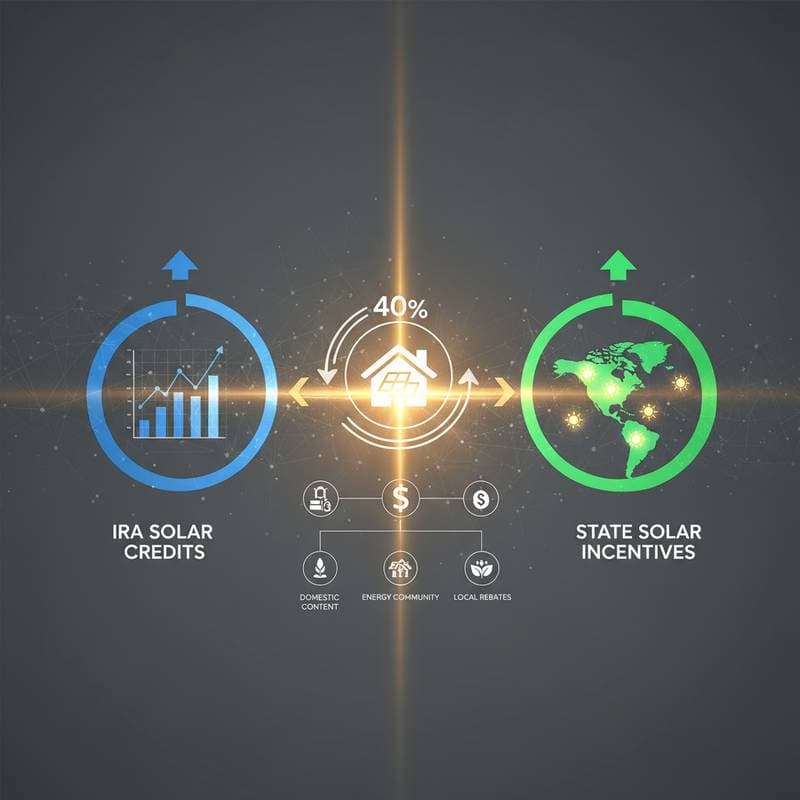
Combining federal Inflation Reduction Act credits with state solar incentives can cut project costs by over 40 percent, transforming solar economics. Developers leveraging domestic content, energy community, and local rebate programs unlock faster returns. Mastering compliant incentive stacking strategies ensures maximum savings, stronger investment appeal, and accelerated clean energy deployment nationwide.
New IRS rules under the Inflation Reduction Act phase out accelerated solar depreciation by 2026. Developers face tighter margins yet can use timing, cost segregation, and new credits to stay competitive.