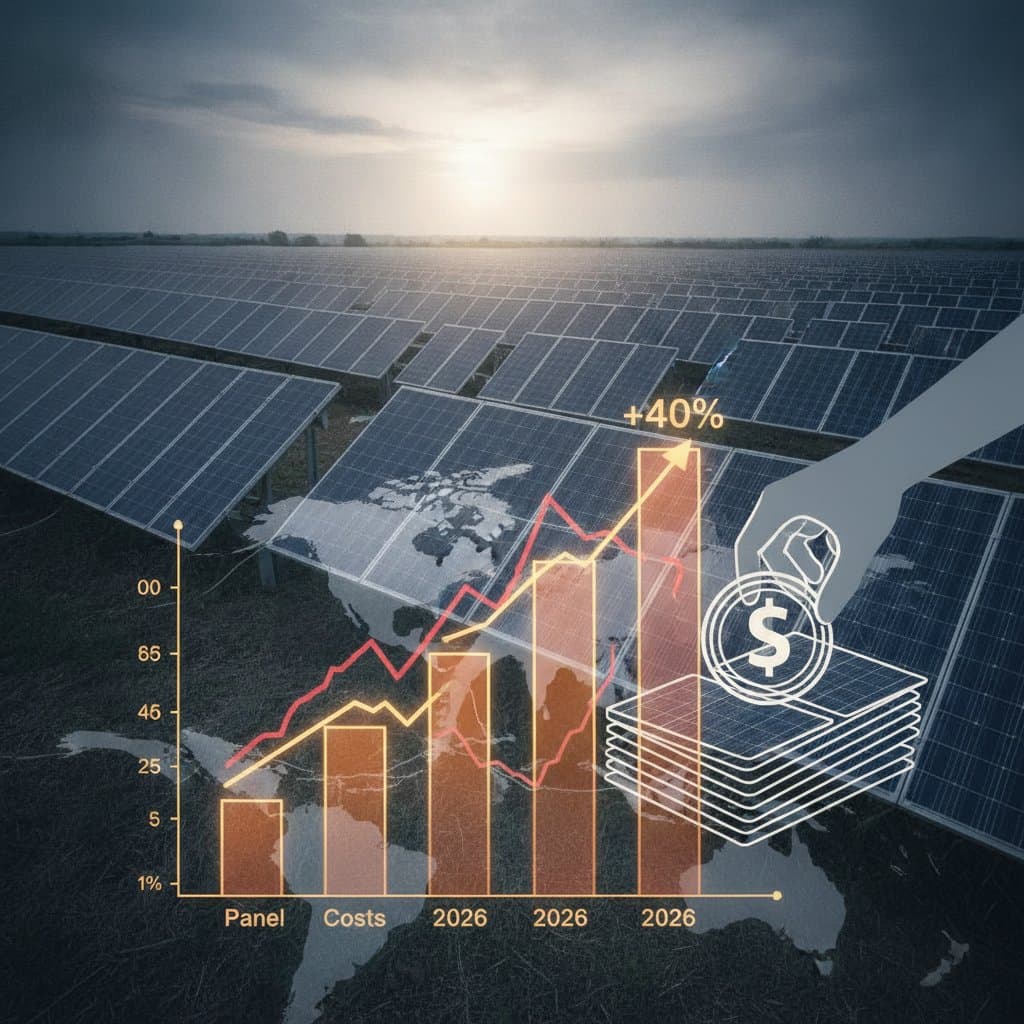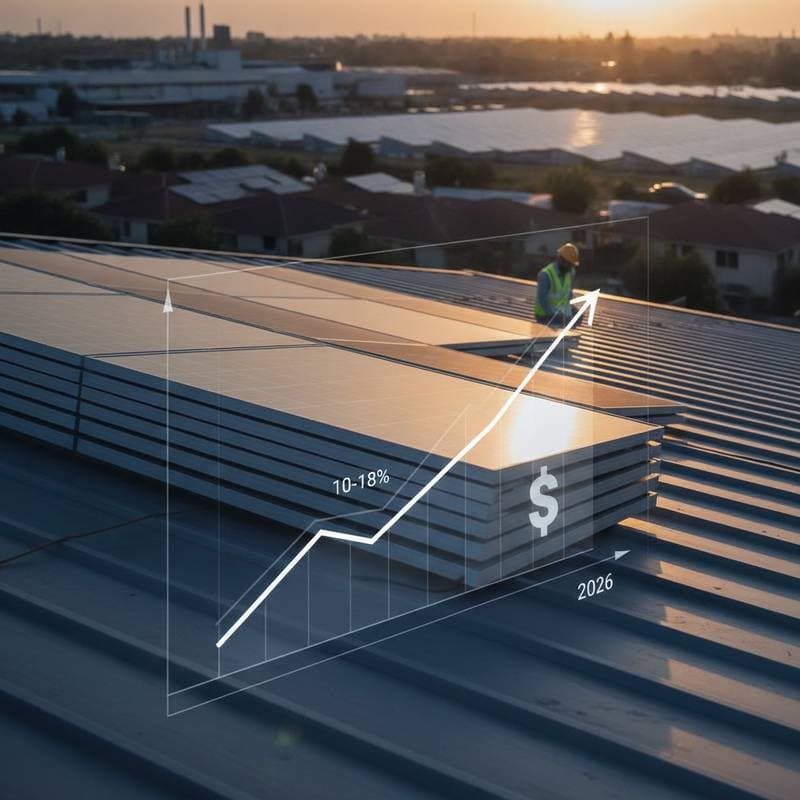
Tariffs Could Push Solar Panel Prices Up 40% by 2026
Proposed tariffs may lift solar module prices 40 percent by 2026. Developers face margin pressure and supply shifts while domestic production scales slowly.
Loading...
Articles tagged with panel
Proposed tariffs may lift solar module prices 40 percent by 2026. Developers face margin pressure and supply shifts while domestic production scales slowly.
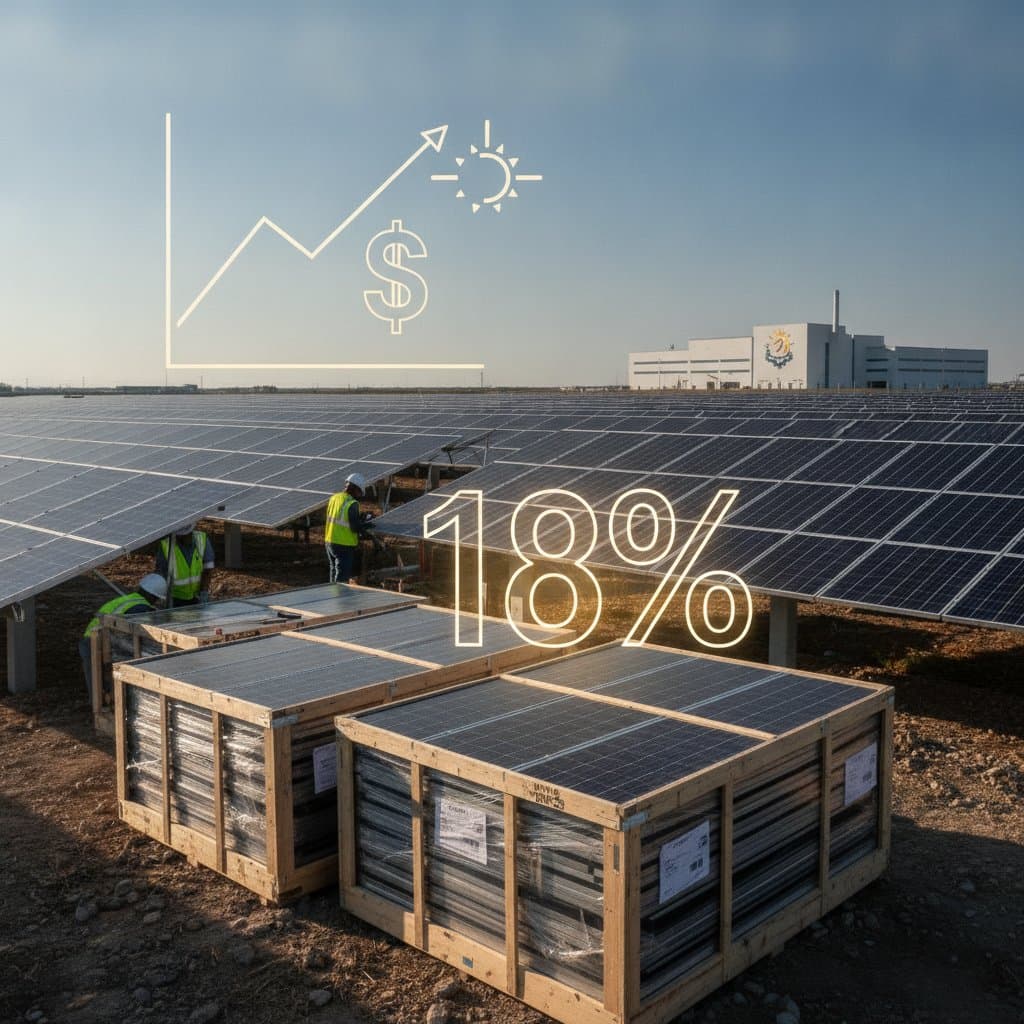
New United States tariffs on imported solar panels will raise prices by 18 percent this spring. The duties target Chinese linked supply chains and increase pressure on developers to secure inventory and renegotiate contracts.
U.S. solar developers face potential panel price increases of up to 40 percent by 2026 as trade officials consider expanded tariffs on imports from Southeast Asia. The shift could disrupt supply chains and project budgets.
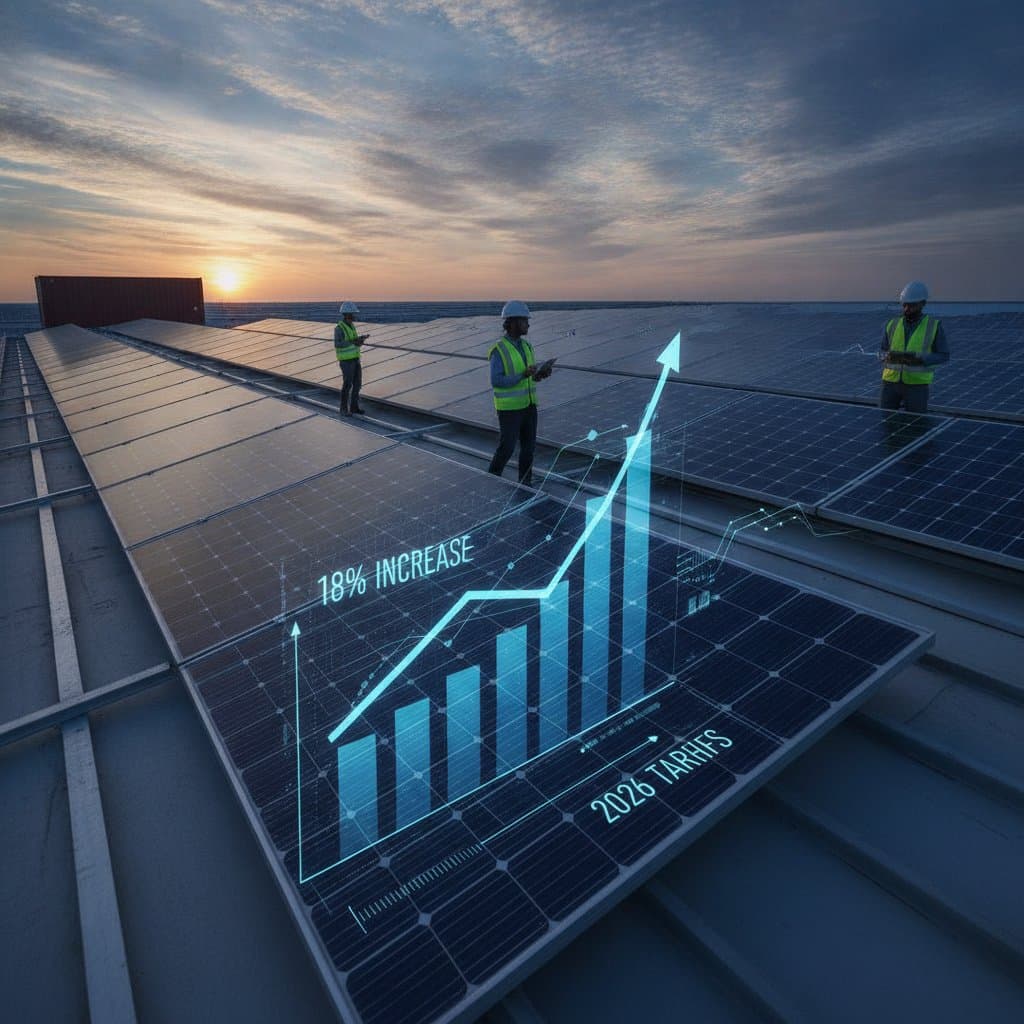
U.S. solar developers will face an 18 percent module price increase starting in 2026 when new import tariffs take effect. The policy will reshape procurement, pressure margins, and shift project timelines while supporting domestic manufacturing growth.
Solar panels inevitably degrade, but knowing when to repair or replace defines long term performance and profitability. This guide explains how to identify irreversible damage, weigh cost and system impacts, and plan strategic upgrades.
U.S. solar panel prices are set to rise 30 percent by 2026 as new tariffs tighten supply. Developers, EPCs, and utilities must adjust procurement to manage higher costs and longer timelines.
New U.S. tariffs will raise solar panel prices by 18 percent this spring. The policy aims to boost domestic manufacturing but may delay projects and tighten supply chains. Industry leaders call for balanced incentives and strategic planning.
New tariffs set for spring 2026 will raise solar panel prices by 18 percent. Developers face higher costs, potential delays, and contract adjustments while domestic manufacturers expand production.
U.S. solar panel prices could rise 40 percent by 2026 if tariffs on Southeast Asian modules return. Developers and installers face higher costs and supply gaps that require updated procurement, contract, and design approaches.
Solar panel prices surged 18% this spring as developers rushed to buy before 2026 import tariffs take effect. The spike reflects tightening supply chains, shifting procurement strategies, and renewed focus on United States manufacturing.
Solar panel cleaning robots promise effortless upkeep and efficiency gains near five percent, yet the 800 dollar price tag prompts careful analysis of climate, system size, and actual energy savings before purchase.
Federal tariffs on imported solar modules will lift prices by nearly 30 percent by 2026. This shift prompts revised procurement plans, new domestic manufacturing investments, and updated project financing models across the industry.
New U.S. solar tariffs set for spring 2026 will raise panel prices about 18 percent. This change will reshape procurement strategies across the industry.
Starting in 2026, new U.S. solar tariffs will lift panel prices by about 18 percent, reshaping procurement, financing, and project timelines. While short-term costs rise, policymakers expect the move to boost domestic manufacturing and supply resilience. Developers are already accelerating purchases, diversifying suppliers, and recalibrating strategies to stay competitive.
New U.S. solar tariffs will raise panel costs by about 18 percent this spring. Developers face tighter margins and shifting procurement needs. Strategic planning helps maintain project momentum amid higher prices.
New tariffs will raise U.S. solar module prices 18 percent starting next month. Developers are locking in supply, manufacturers are expanding domestic output, and project costs are shifting across utility, commercial, and residential segments.
U.S. solar module prices rose 18 percent this spring after new 2026 tariffs tightened supply and compliance. Developers, distributors, and domestic manufacturers respond with revised strategies to manage costs and maintain project schedules.
Starting in 2026, new U.S. tariffs could raise solar panel costs by up to 40%, reshaping project economics across all sectors. While intended to boost domestic manufacturing, the policy may trigger higher prices, financing challenges, and supply shifts that test the industry's ability to adapt.
New 2026 solar tariffs are expected to raise U.S. rooftop system costs by several thousand dollars as imported panel prices climb 10 to 18 percent. Installers adapt through domestic sourcing and efficiency upgrades while federal incentives support long term affordability.
Proposed 2026 tariffs could increase solar panel prices by as much as 40 percent, pressuring project timelines and financing while spurring domestic manufacturing growth.