Tariffs Could Push Solar Panel Prices Up 40% by 2026
Proposed tariffs may lift solar module prices 40 percent by 2026. Developers face margin pressure and supply shifts while domestic production scales slowly.
Loading...
Articles tagged with duties
Proposed tariffs may lift solar module prices 40 percent by 2026. Developers face margin pressure and supply shifts while domestic production scales slowly.
U.S. solar panel prices could rise 40 percent by 2026 if tariffs on Southeast Asian modules return. Developers and installers face higher costs and supply gaps that require updated procurement, contract, and design approaches.
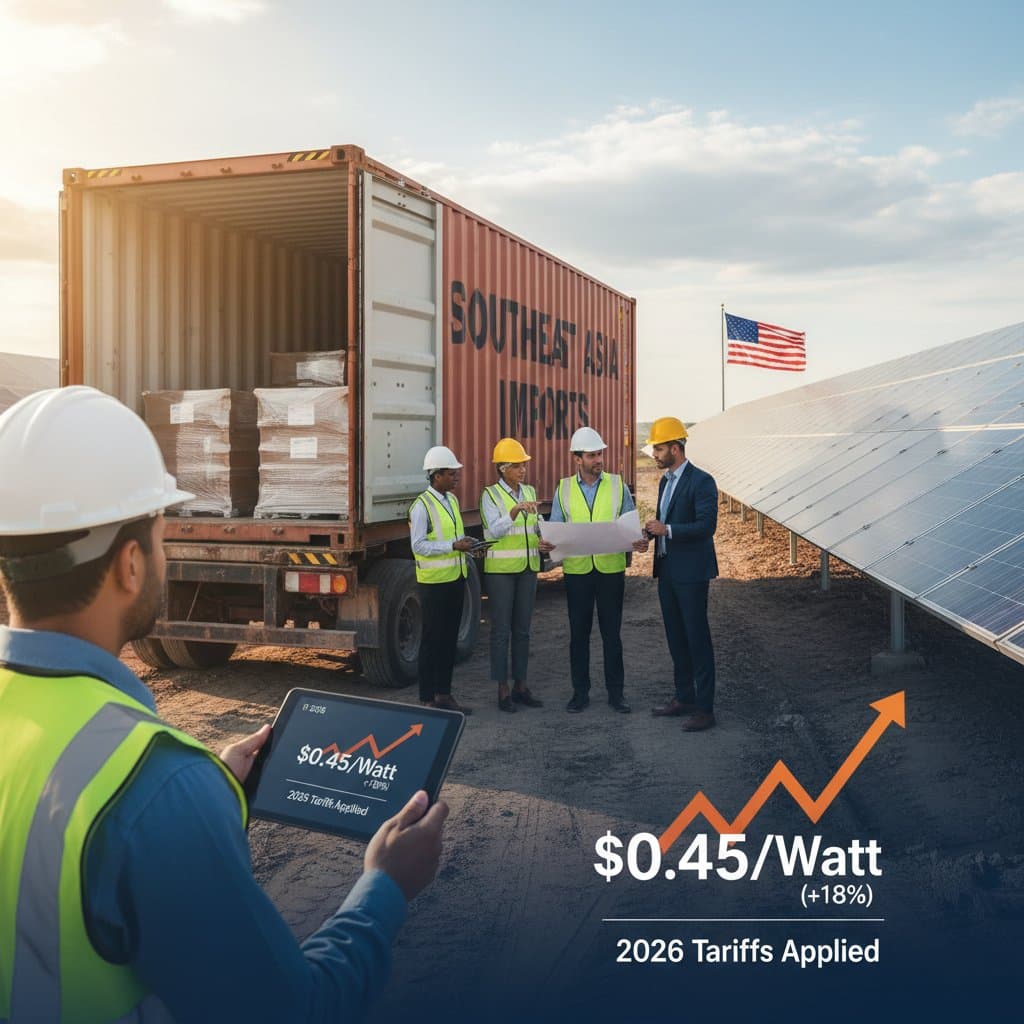
New U.S. solar tariffs set for spring 2026 will raise panel prices about 18 percent. This change will reshape procurement strategies across the industry.
Starting in 2026, new U.S. solar tariffs will lift panel prices by about 18 percent, reshaping procurement, financing, and project timelines. While short-term costs rise, policymakers expect the move to boost domestic manufacturing and supply resilience. Developers are already accelerating purchases, diversifying suppliers, and recalibrating strategies to stay competitive.
U.S. solar module prices rose 18 percent this spring after new 2026 tariffs tightened supply and compliance. Developers, distributors, and domestic manufacturers respond with revised strategies to manage costs and maintain project schedules.
Starting in 2026, new U.S. tariffs could raise solar panel costs by up to 40%, reshaping project economics across all sectors. While intended to boost domestic manufacturing, the policy may trigger higher prices, financing challenges, and supply shifts that test the industry's ability to adapt.
New U.S. solar tariffs will raise panel prices 18% this spring, reshaping project economics and supply chains. Developers face higher costs and potential delays, while domestic manufacturers gain momentum. The policy aims to boost local production, but analysts warn short-term disruptions could test the industry resilience and deployment goals.
Recent U.S. tariffs have caused an 18% increase in solar panel prices, leading to project disruptions and budget challenges for developers. Although intended to support local manufacturing, these measures echo past cycles of market instability. Installers now seek alternative supplies amid ongoing adjustments in the sector.
An 18% tariff on imported solar panels begins next month, altering U.S. procurement, pricing, and timelines. Domestic manufacturers gain opportunities, while developers confront slimmer margins and delays. The sector anticipates volatility but eyes long-term benefits from local production growth and supply shifts.
Upcoming U.S. tariffs on solar panels from Asia threaten a 40% price rise by 2026, complicating projects and financing. Developers confront escalating costs and delays, as domestic production strives to expand. This policy sparks discussions on energy security, affordability, and advancing clean energy objectives.
Next month's 18% spike in solar panel prices from reinstated tariffs pressures the U.S. industry, from developers to installers. As imports face higher duties, domestic production gains traction. Key moves include rushing orders, revising contracts, and exploring local suppliers to navigate the changes.
A 30% increase in solar panel prices this spring is transforming U.S. solar markets. These tariffs seek to enhance domestic production but challenge developers, financiers, and installers with higher costs, delays, and evolving supply strategies amid policy shifts.
Beginning in 2026, new U.S. tariffs on imported solar panels could drive costs up by 40%, altering project timelines and supply chains. While developers grapple with elevated expenses, the policy bolsters domestic production, fostering innovation and long-term energy resilience.
U.S. solar module prices face an 18% increase next month from 2026 tariffs on Southeast Asian imports, altering procurement, financing, and strategies. Developers stockpile inventory, U.S. makers advance, and experts highlight rising costs, slimmer margins, and market adaptations.
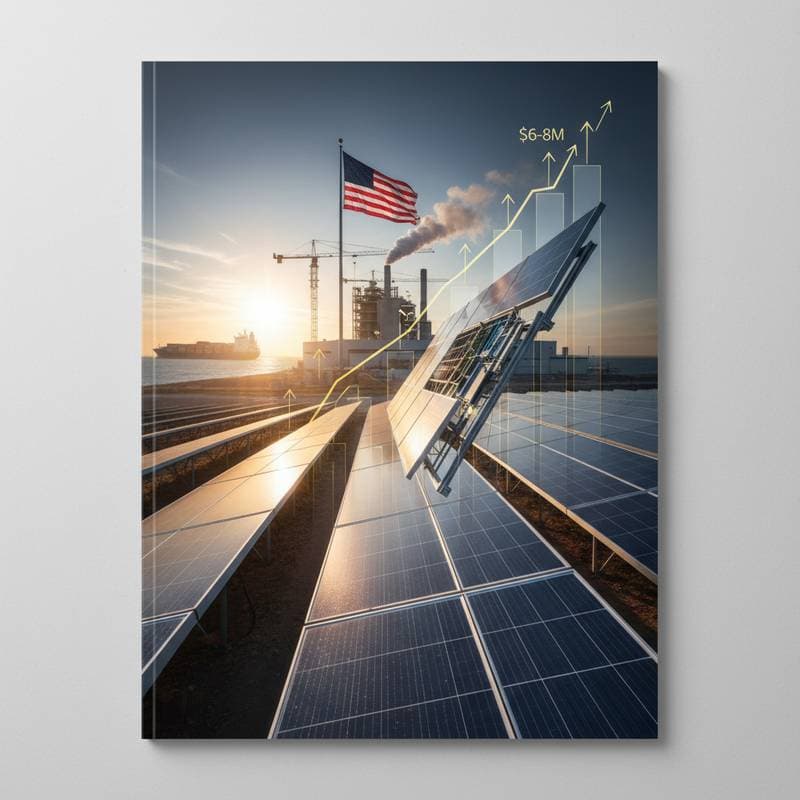
New U.S. solar tariffs effective in 2026 will push module prices up 18 percent, increasing 100 MW project costs by $6-8 million and prompting shifts in procurement and domestic production efforts.
New U.S. tariffs propel solar panel prices up 40%, disrupting installers, developers, and affordability. This volatility challenges clean energy progress, yet domestic manufacturing and adaptive tactics offer pathways forward.
2026 solar tariffs threaten to elevate U.S. project costs, with modules facing 10-15% hikes and 100MW builds adding $8M. Industry players adapt sourcing and contracts to counter uncertainty and bolster domestic production.
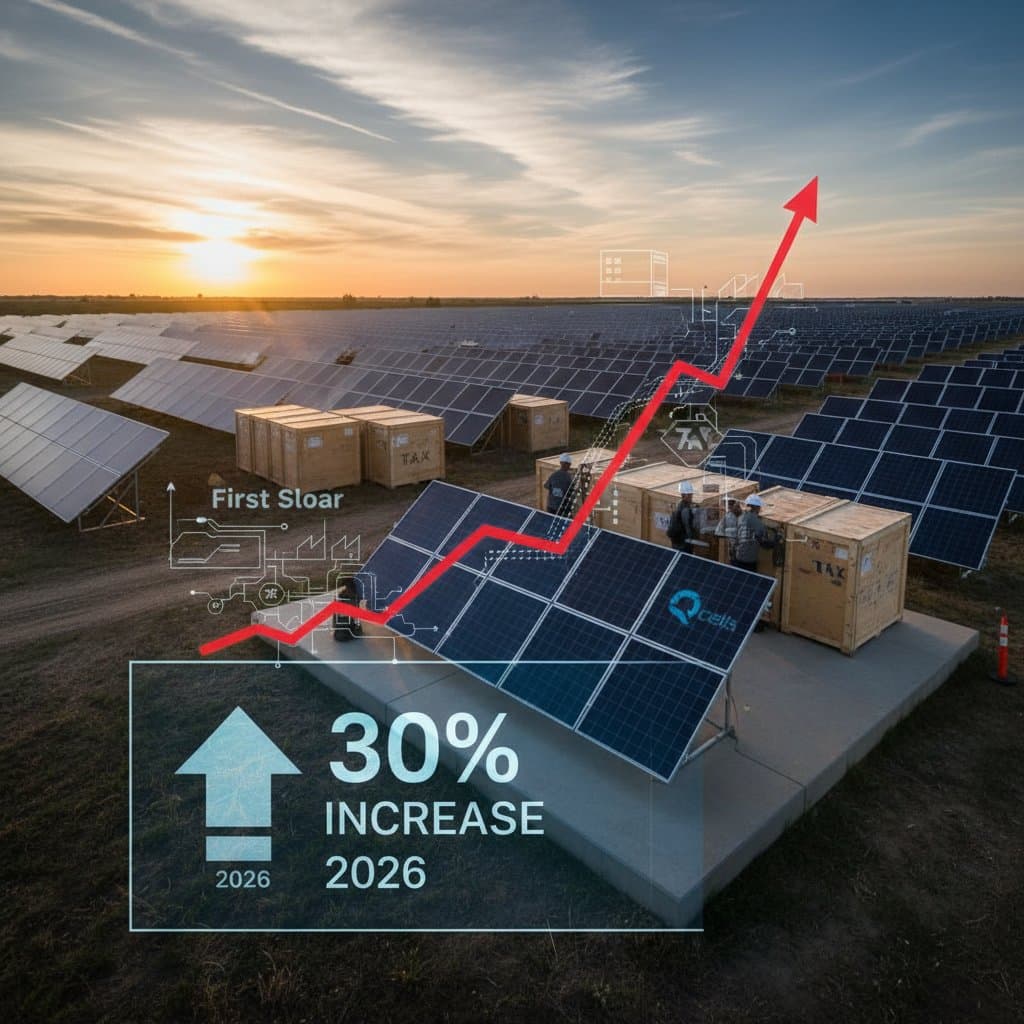
New U.S. tariffs set for 2026 will push solar panel prices up 30%, disrupting supply chains and increasing costs for developers. While companies like First Solar and Qcells expand U.S. production, installers grapple with tighter budgets and delayed timelines. This policy aims to bolster local manufacturing but may hinder overall renewable energy progress.
New tariffs on solar panel imports from Asia will cause an 18% price surge this spring, disrupting the supply chain for developers and installers. This shift introduces tighter margins, potential project delays, and sourcing hurdles, yet it holds promise for boosting U.S. manufacturing in the long run.
New U.S. tariffs forecast a 40% rise in solar module prices by 2026, disrupting supply chains and project economics. As domestic production lags demand, experts highlight risks to timelines, margins, and the push for energy security.