Fist Solar - Solar Energy & Home Efficiency - Page 20

Showing articles 229 - 240 of 701

Featured image for Attic Insulation First, Solar Second Cuts Bills 60%

Attic Insulation First, Solar Second Cuts Bills 60%

Achieve up to 60% reductions in energy bills by first installing attic insulation and then adding solar panels. Insulation minimizes energy loss and stabilizes temperatures, while solar power offsets the remaining usage. This efficient pairing delivers substantial savings, improved comfort, and enduring value for homeowners pursuing effective energy strategies.

4 min read
Featured image for Why Time-of-Use Rates Control Your Solar Savings

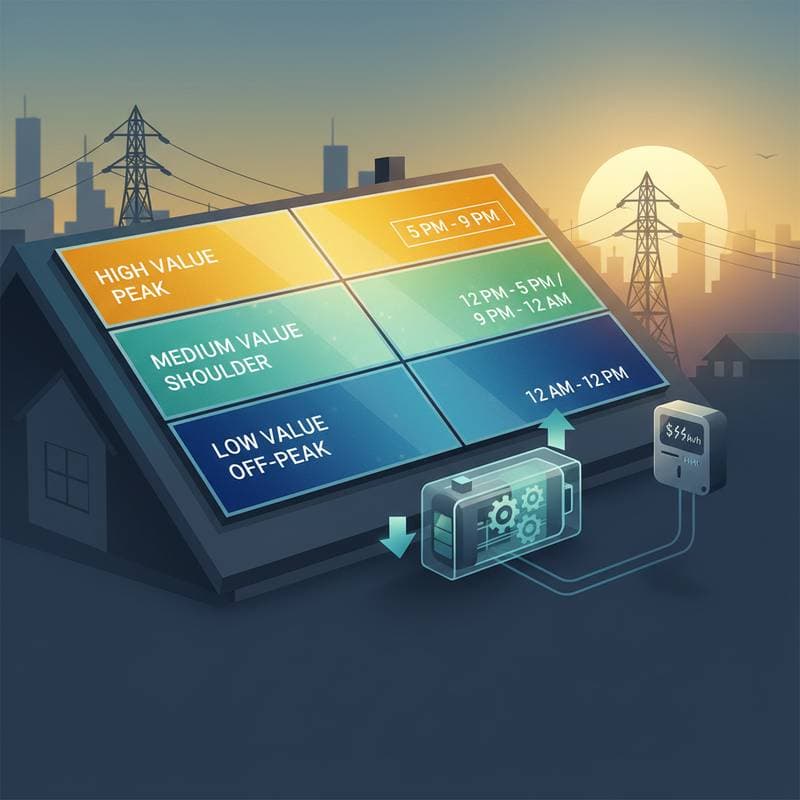
Why Time-of-Use Rates Control Your Solar Savings

Solar panel savings depend more on utility rate structures than on sunlight alone. Time-of-use pricing, paired with energy storage and clear billing, transforms solar into a profitable investment. Learn how utilities value energy by hour to ensure your system delivers real financial benefits.

5 min read
Featured image for States That Let Homeowners Pull Solar Permits Themselves

States That Let Homeowners Pull Solar Permits Themselves

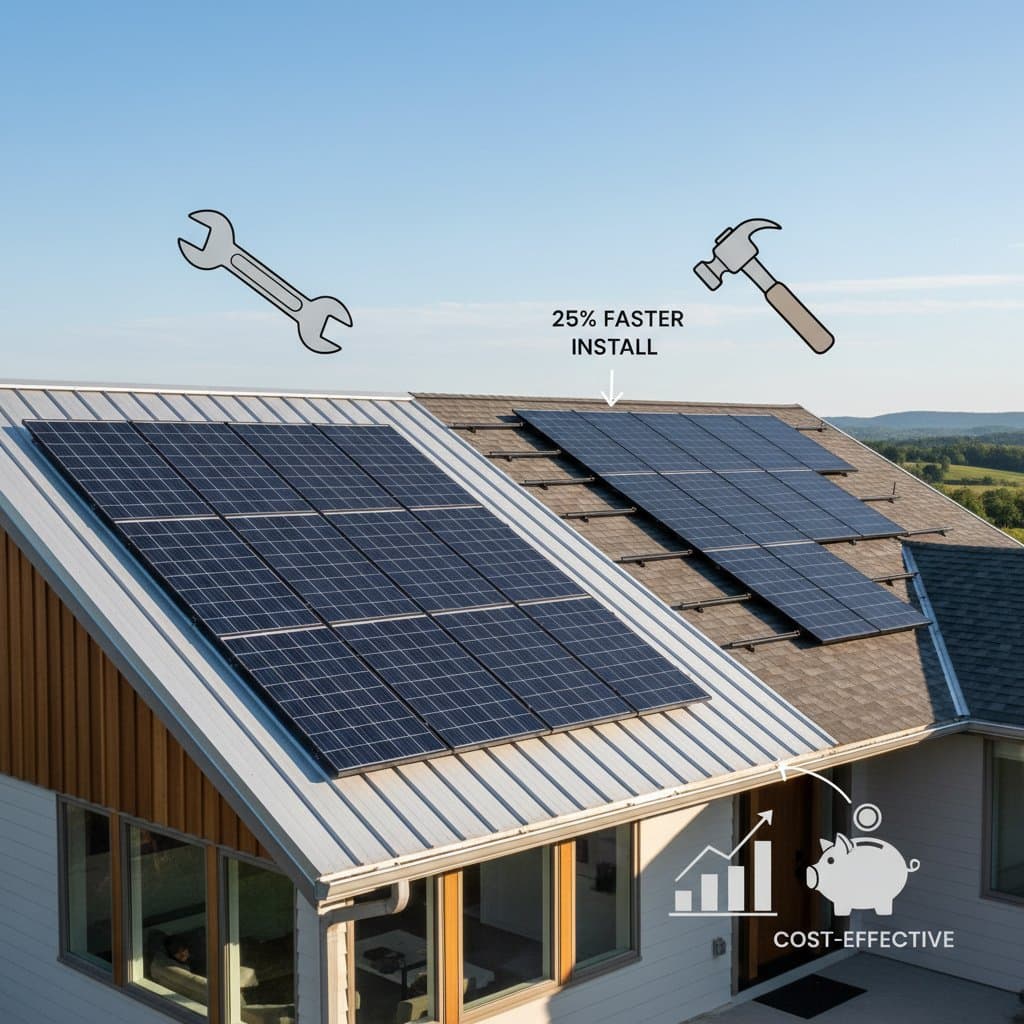
In states such as California, Arizona, and Florida, homeowners may install solar systems themselves under specific permits, whereas New York and Massachusetts mandate licensed professionals. Knowledge of local codes, utility guidelines, and tools like SolarAPP+ enables DIY enthusiasts to manage regulations effectively, sidestep delays, and achieve secure, code-compliant setups.

4 min read
Featured image for States Where DIY Solar Hits Permitting Roadblocks

States Where DIY Solar Hits Permitting Roadblocks

Homeowners across the U.S. encounter varied challenges when installing DIY solar systems, from streamlined approvals in some areas to lengthy bureaucratic delays in others. These permitting hurdles affect project timelines and costs, highlighting the need for clearer national standards to boost solar adoption.

5 min read
Featured image for Microinverters Claim 40% of Residential Solar Market

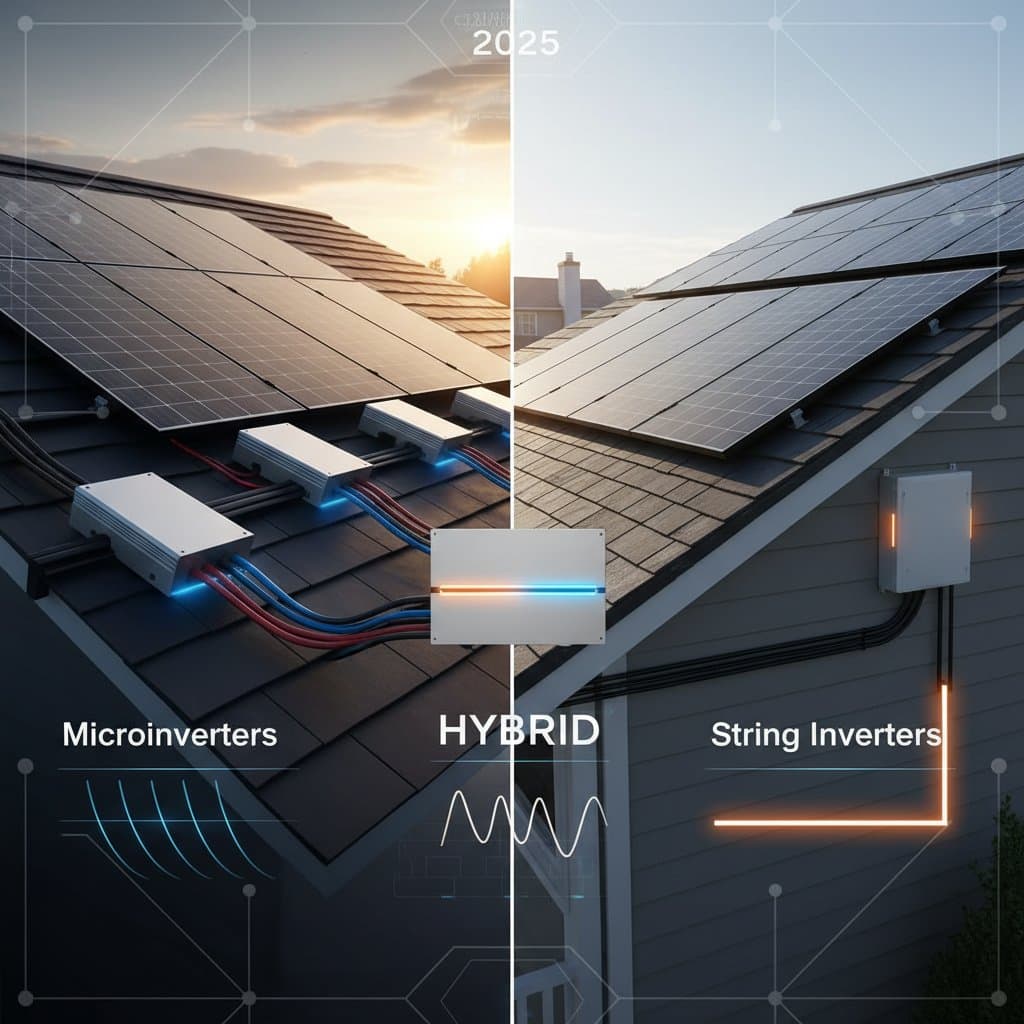
Microinverters Claim 40% of Residential Solar Market

U.S. solar evolves with microinverters and string inverters vying for leads. Microinverters bring module-level optimization, adaptability, and extended warranties; string inverters ensure cost savings and easy servicing. Price drops, workforce shifts, and hybrid tech influence choices for residential, commercial, and utility solar in 2025.

5 min read
Featured image for When Solar Power Pays Most Under TOU Rates

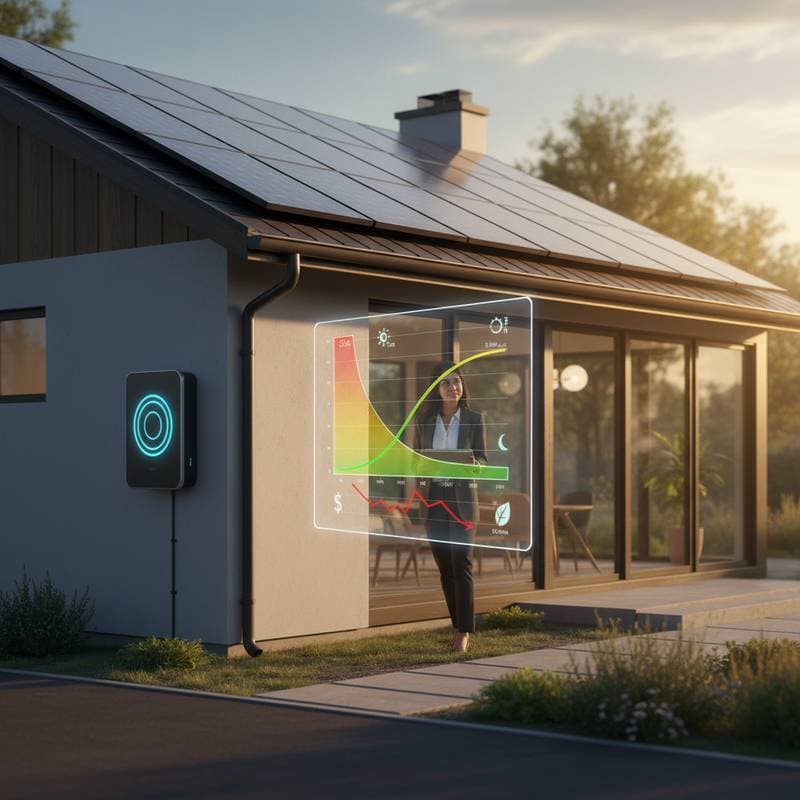
When Solar Power Pays Most Under TOU Rates

Unlock the full potential of your solar investment through time-of-use rates. Align consumption with peak solar production and off-peak pricing to lower bills, improve efficiency, and ease grid pressure. Practical steps, from scheduling appliances to integrating battery storage, demonstrate how strategic timing amplifies financial and environmental benefits.

3 min read
Featured image for IRS Now Splits Home Solar Credits by Income Use

IRS Now Splits Home Solar Credits by Income Use

The IRS 2025 rule revolutionizes home solar incentives with a hybrid tax approach that combines personal credits and business depreciation. Homeowners generating income from power sales can claim proportional deductions, subject to rigorous documentation. This shift creates new challenges and benefits for installers, accountants, and homeowners as solar evolves into a dual-purpose energy and financial asset.

5 min read
Featured image for Smart Thermostats Cut Energy Bills 23% in 2025

Smart Thermostats Cut Energy Bills 23% in 2025

Learn how 2025 smart thermostats can lower energy bills by up to 23 percent. This comprehensive guide reviews top models from Ecobee, Google, Honeywell, Amazon, and Emerson, emphasizing features such as adaptive learning, geofencing, and detailed efficiency reports to support savings, comfort, and sustainable living.

5 min read
Featured image for NEM 3.0 Cuts Solar Credits 75% in California

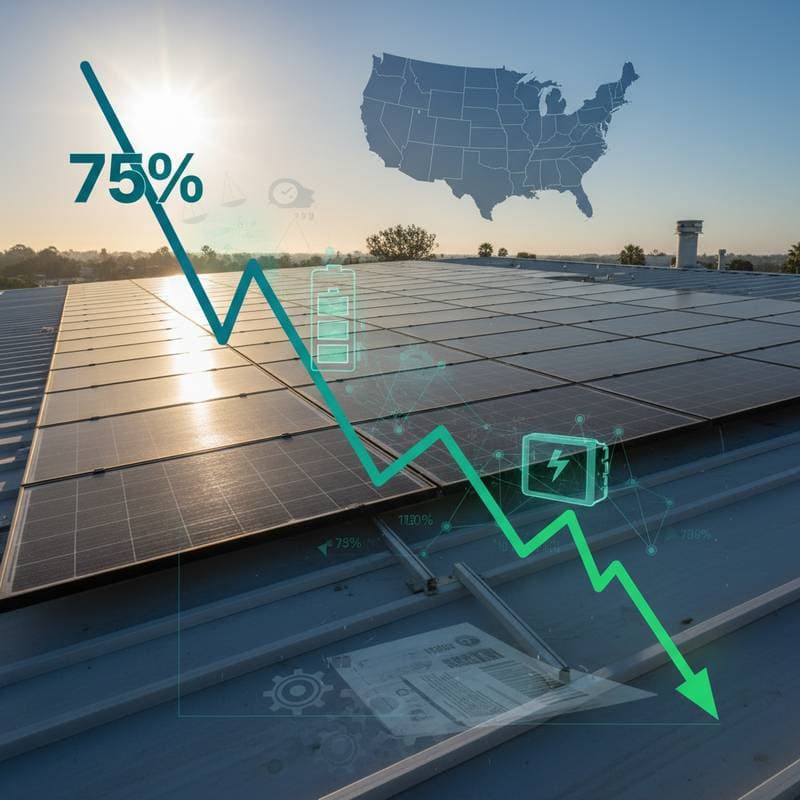
NEM 3.0 Cuts Solar Credits 75% in California

California's NEM 3.0 policy reduces solar export credits by up to 75 percent, influencing other states to evaluate comparable reforms. Installers adapt by integrating storage solutions and advanced energy management, while policymakers navigate the tension between grid expenses and solar expansion to shape the future of distributed energy across the United States.

4 min read