Solar Tariffs Push Panel Prices Up 30% in 2026
U.S. solar panel prices are set to rise 30 percent by 2026 as new tariffs tighten supply. Developers, EPCs, and utilities must adjust procurement to manage higher costs and longer timelines.
Loading...
Showing articles 13 - 24 of 697
U.S. solar panel prices are set to rise 30 percent by 2026 as new tariffs tighten supply. Developers, EPCs, and utilities must adjust procurement to manage higher costs and longer timelines.
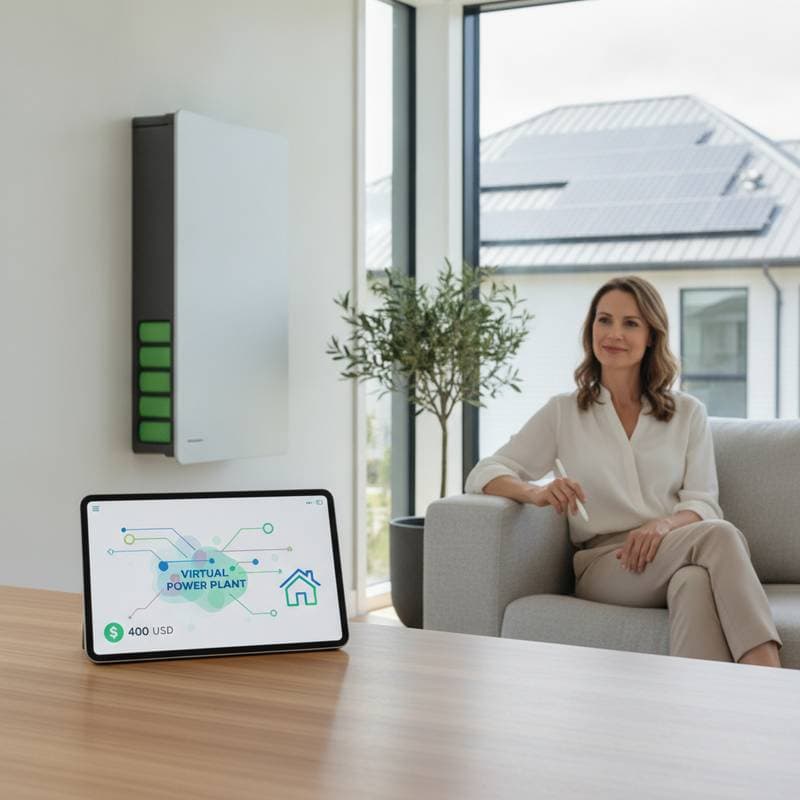
Virtual power plants convert residential solar and storage into revenue sources that pay homeowners roughly $400 each year. Aggregated systems supply fast grid services, cut utility expenses, and open new income streams for participants.
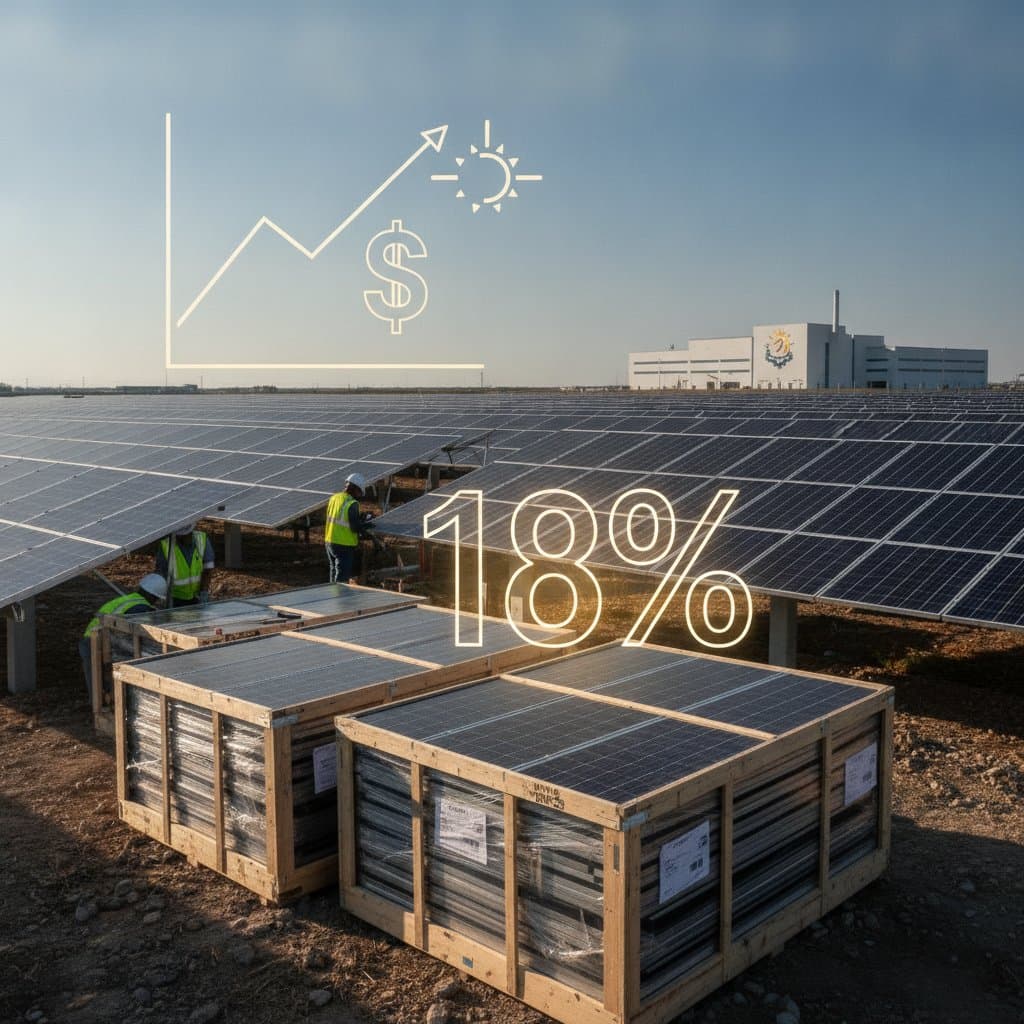
New U.S. tariffs will raise solar panel prices by 18 percent this spring. The policy aims to boost domestic manufacturing but may delay projects and tighten supply chains. Industry leaders call for balanced incentives and strategic planning.
New tariffs set for spring 2026 will raise solar panel prices by 18 percent. Developers face higher costs, potential delays, and contract adjustments while domestic manufacturers expand production.
Community solar projects enable households and businesses to access renewable energy without rooftop panels. Subscribers earn bill credits from shared offsite arrays while supporting local clean energy development.
New IRS guidance lets qualifying solar projects combine Inflation Reduction Act incentives. Developers meeting domestic content, energy community, or low-income criteria may recover more than half of project costs and attract broader investment.
Virtual Power Plants aggregate rooftop solar and batteries into networks that generate revenue and strengthen grid performance. Participants monetize surplus power and improve project economics.
The Inflation Reduction Act enables full first-year depreciation for solar assets. Combined with the Investment Tax Credit, this incentive converts project costs into rapid tax recovery and supports faster reinvestment decisions.
U.S. solar panel prices could rise 40 percent by 2026 if tariffs on Southeast Asian modules return. Developers and installers face higher costs and supply gaps that require updated procurement, contract, and design approaches.
The IRA solar tax credit extension through 2032 now covers standalone battery storage and expanded equipment. Homeowners gain new flexibility for adding batteries later while maintaining steady credit rates and clear eligibility guidelines.
Homeowners can earn up to $400 annually by renting their solar batteries to virtual power plant programs, supporting grid stability while offsetting system costs.
The IRS now requires roof verification for solar tax credit claims. Homeowners and installers must document structural suitability, affecting project timelines and eligible expenses.
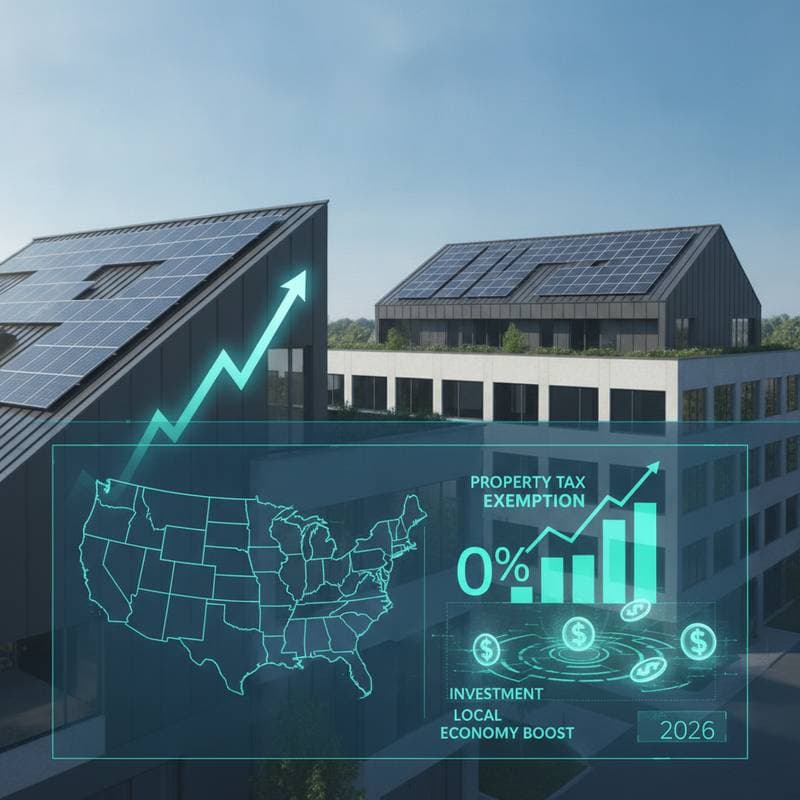
Fifteen states exempt solar systems from property taxes in 2026. The policies remove added equipment value from assessments and support wider adoption of renewable energy.
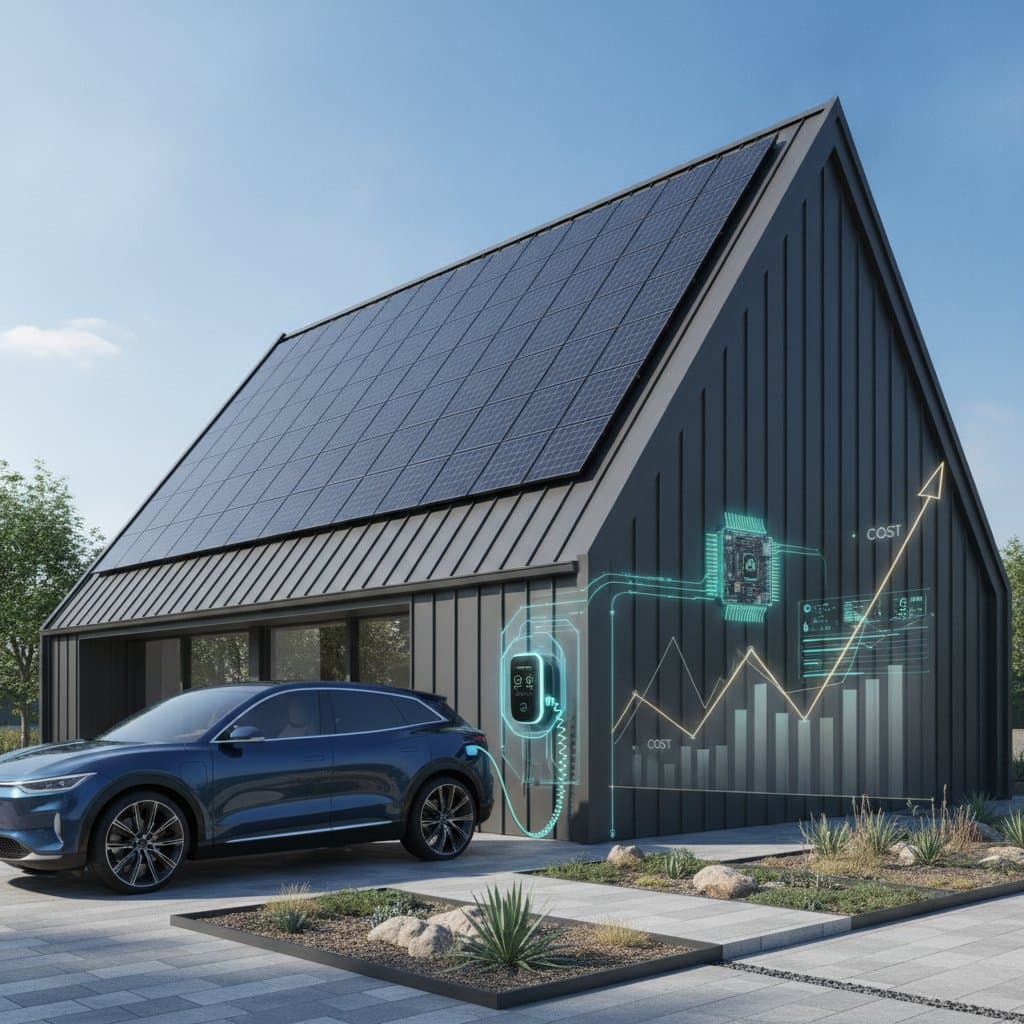
Solar EV bundles pair rooftop solar with EV charging to create integrated home energy systems. Experts assess whether these packages produce real financial and environmental gains or primarily reflect marketing strategies.
Solar panel prices surged 18% this spring as developers rushed to buy before 2026 import tariffs take effect. The spike reflects tightening supply chains, shifting procurement strategies, and renewed focus on United States manufacturing.
Beginning in 2026, solar shingles qualify for a 60 percent federal tax credit that covers both roofing and energy components, lowering costs for homeowners and accelerating adoption of integrated photovoltaic systems.
Solar panel cleaning robots promise effortless upkeep and efficiency gains near five percent, yet the 800 dollar price tag prompts careful analysis of climate, system size, and actual energy savings before purchase.
Community solar lets households subscribe to shared solar farms and save around 40% on electricity bills. No rooftop panels or installation are required. The model supports local jobs, cleaner energy, and greater grid resilience while expanding access for renters and others previously excluded from rooftop solar.
Federal tariffs on imported solar modules will lift prices by nearly 30 percent by 2026. This shift prompts revised procurement plans, new domestic manufacturing investments, and updated project financing models across the industry.
New U.S. solar tariffs set for spring 2026 will raise panel prices about 18 percent. This change will reshape procurement strategies across the industry.