
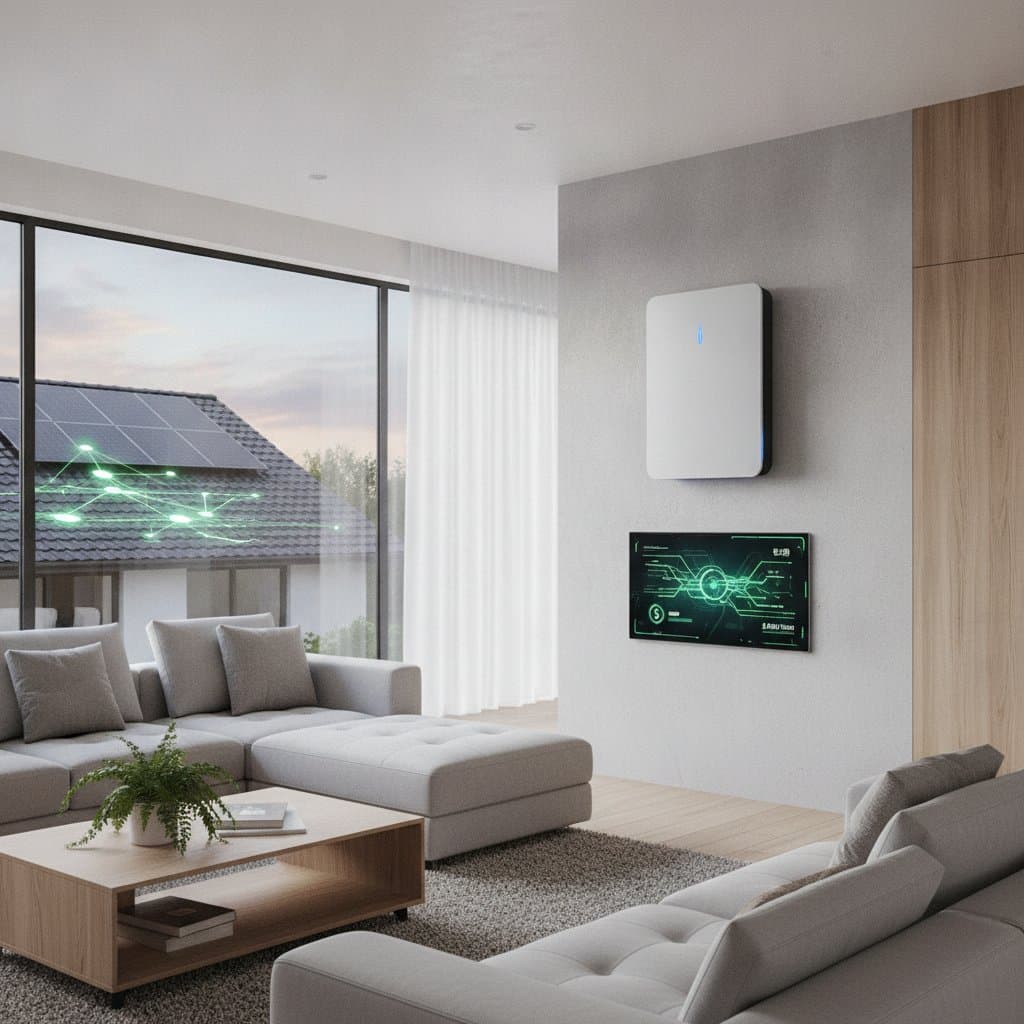
Rent Your Battery for $400 a Year Through Virtual Power Plants
Home battery owners are finding new ways to earn steady income while supporting a cleaner, more flexible power grid. Through virtual power plant programs, households can rent their batteries to energy networks and receive about $400 per year. The model rewards participants for sharing stored electricity during high-demand periods.
Virtual power plants, often called VPPs, connect thousands of distributed energy resources such as home batteries, rooftop solar, and smart inverters. These assets work together as a digital network that can respond to grid conditions in real time. When energy demand rises, the network discharges stored power from participating batteries. When supply exceeds demand, it absorbs excess energy for later use.
How the Rental Model Works
Under typical VPP arrangements, homeowners with compatible batteries allow their utility or program operator to access stored energy when needed. In return, participants receive annual or monthly payments, often averaging around $400 per year. The battery remains under the homeowner ownership, and the program operator manages dispatch schedules automatically through remote software.
Payments may vary depending on local electricity markets, battery size, and program structure. Some utilities offer fixed annual stipends. Others base compensation on performance metrics such as energy delivered during grid events. The overall goal is to reward flexibility and reliability from distributed systems.
Why Utilities Support Virtual Power Plants
Utilities see virtual power plants as a cost-effective way to handle demand fluctuations and integrate renewable generation. As more solar and wind power enters the grid, energy production can vary widely across hours and seasons. Batteries connected through VPPs help balance these fluctuations by storing surplus power and releasing it when production drops.
This approach also reduces strain on transmission lines and lowers the need for expensive peaker plants. Instead of firing up gas turbines during hot summer afternoons, utilities can tap into thousands of small batteries already installed in homes. The aggregated capacity provides a fast, localized response that strengthens grid stability.
What Homeowners Need to Participate
Joining a virtual power plant program requires a compatible battery system and an agreement with a participating utility or aggregator. Programs typically support major battery brands that allow for remote monitoring and control. Homeowners usually maintain full visibility of their system status through a mobile app or web dashboard.
Installation of additional hardware is rarely needed if the battery already supports remote dispatch. Participants agree to share a portion of their stored energy during specific grid events, which are limited in frequency and duration. Most programs ensure that homeowners retain enough backup capacity for personal use in case of outages.
Key Program Examples
Several utilities and energy service providers now offer battery rental or participation incentives. Each program sets its own terms based on local grid needs and market regulations. Common structures include the following:
- Fixed Annual Payment: Participants receive a guaranteed yearly payment for enrolling, regardless of how often their battery is used.
- Performance-Based Revenue: Income depends on the amount of energy delivered or the frequency of grid support events.
- Hybrid Models: A combination of base payments plus bonuses tied to participation levels.
Aggregators often partner with technology companies to manage the software platforms that coordinate dispatching. These systems analyze grid data, forecast demand, and trigger battery discharges automatically when needed.
Benefits Beyond Income
While the $400 yearly payment attracts attention, the value of joining a VPP extends beyond direct earnings. Participants contribute to a more resilient and sustainable power system by helping balance renewables and reduce reliance on fossil fuel generation. The model encourages local energy independence and gives homeowners a role in grid modernization.
VPP membership can also enhance the return on investment for home batteries. Instead of sitting idle between backup events, the system generates passive income and provides measurable community benefits. As programs expand, more utilities are likely to integrate such distributed energy resources into their planning and pricing models.
Addressing Common Questions
Some homeowners worry that VPP participation could shorten battery life or interfere with personal backup needs. Most programs are designed to avoid excessive cycling and maintain system warranties. Dispatch events are typically short and limited to high-demand periods, preserving long-term battery health. Program operators monitor system performance and adjust participation levels to protect equipment.
Others wonder whether participation affects energy independence. In most cases, homeowners can opt out of individual events or set minimum backup reserves. That means the system still provides emergency power during outages while contributing to grid support when conditions allow.
The Growing Market for Distributed Energy Services
As storage adoption increases, virtual power plant participation is becoming a standard feature in many battery sales and installation packages. Installers often highlight the income potential as part of the overall value proposition. For customers, earning $400 per year can offset maintenance costs or reduce payback time on their solar and storage investment.
Utilities benefit as well, gaining access to flexible capacity without major capital projects. Regulators have started recognizing VPPs as legitimate resources that can replace or defer conventional infrastructure. This shift supports long-term cost savings for both utilities and consumers.
Moving Toward Smarter Energy Networks
Renting a home battery through a virtual power plant represents a practical path toward a smarter, more distributed energy future. The model connects individual households to the wider grid, creating shared value through cooperation rather than competition. For battery owners, it delivers tangible income and a sense of contribution to energy reliability. For utilities and communities, it strengthens resilience while reducing dependence on fossil fuel generation.
As enrollment grows, virtual power plants will continue to evolve through better software integration, wider hardware compatibility, and stronger policy support. Homeowners who participate early gain not only financial rewards but also experience in a system that is shaping the future of distributed energy management.