Industry News & Policy

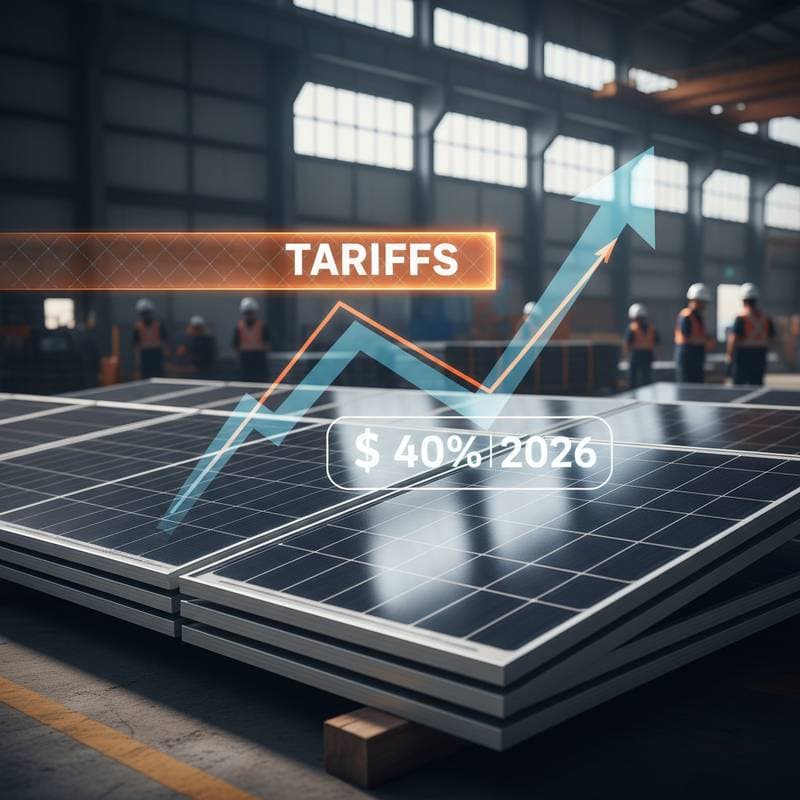
Featured image for Solar Tariffs Push Panel Prices Up 40% by 2026

Solar Tariffs Push Panel Prices Up 40% by 2026

U.S. solar panel prices stand to increase by up to 40% by 2026 due to layered tariffs, stricter trade enforcement, and supply limitations. Developers scramble to lock in supplies, manufacturers expand capacity, and policymakers navigate the balance between domestic protection and clean energy expansion.

4 min read
Featured image for Virtual Net Metering Brings Solar to Renters and Apartments

Virtual Net Metering Brings Solar to Renters and Apartments

Virtual net metering enables multiple customers to share benefits from a single solar array, broadening access for renters and small businesses. This approach distributes energy credits virtually, fostering community solar expansion, promoting fair clean energy involvement, and inspiring innovative business strategies. Robust policies and sophisticated metering systems drive wider implementation.

5 min read
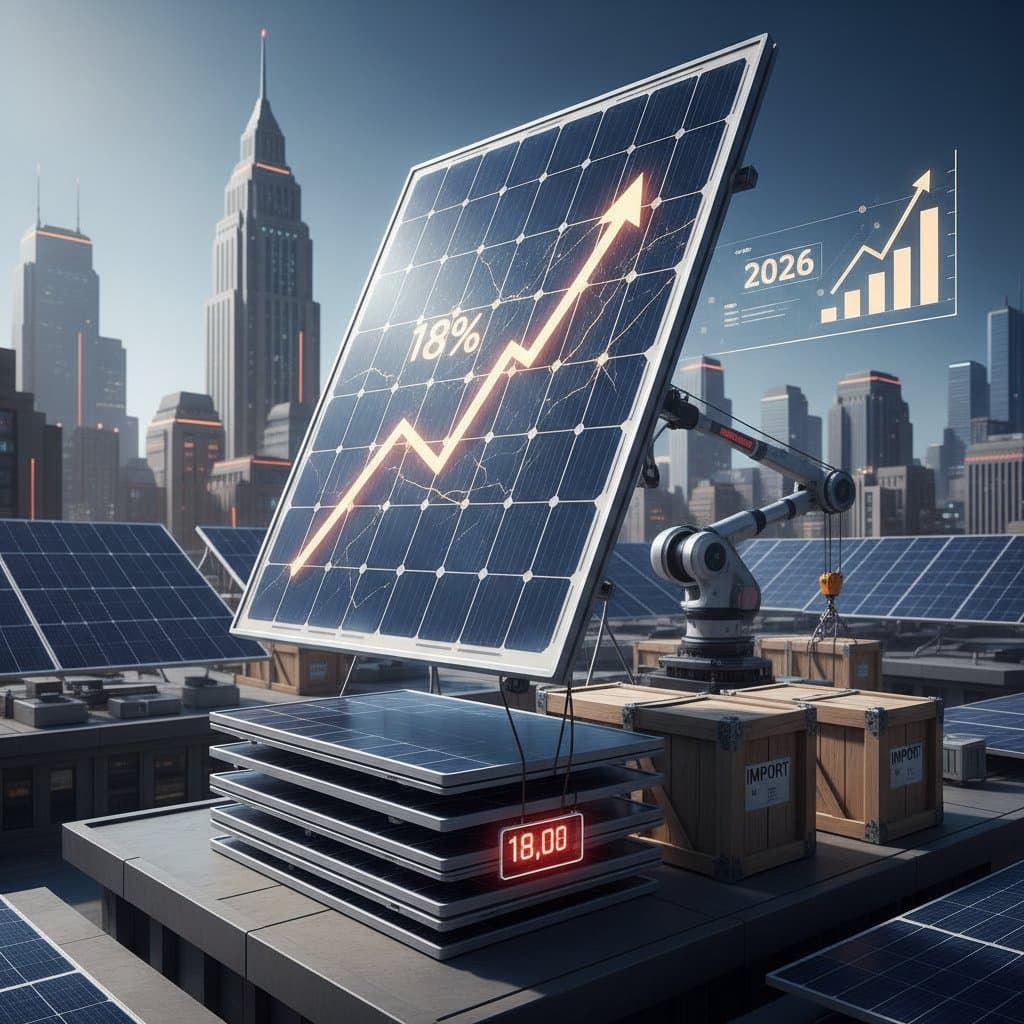
Featured image for Solar Tariffs Will Raise Panel Prices 18% Next Month

Solar Tariffs Will Raise Panel Prices 18% Next Month

New import tariffs on crystalline silicon photovoltaic modules will elevate U.S. solar prices by 18% next month. This policy seeks to support domestic production yet introduces elevated costs, potential delays, and market volatility. Installers, developers, and consumers must navigate this shift to sustain industry progress.

4 min read
Featured image for Solar Projects Must Run by June for 2026 ITC Credit

Solar Projects Must Run by June for 2026 ITC Credit

To claim the 2026 solar investment tax credit, projects must operate fully by June under IRS 'placed in service' rules. Delays in interconnection, supplies, or permits threaten millions in incentives. Strategic scheduling, early utility coordination, and meticulous records ensure compliance and maximize returns.

5 min read
Featured image for 2M Households Wait as Community Solar Hits Grid Limits

2M Households Wait as Community Solar Hits Grid Limits

More than two million U.S. households sit on waiting lists for community solar, as surging demand collides with grid limitations and regulatory hurdles. Projects grapple with interconnection delays, complex permitting, and financing obstacles. Strong backing exists, yet uneven policies and utility challenges hinder growth. Better alignment among stakeholders could release gigawatts of clean energy and broaden access to solar benefits across the country.

4 min read
Featured image for 2026 Solar Tariffs Already Shifting Panel Prices

2026 Solar Tariffs Already Shifting Panel Prices

With 2026 solar tariffs on the horizon, U.S. panel prices respond to policy risks. Developers encounter variable costs, supply challenges, and financing hurdles. Tariffs seek to support local production, yet success depends on flexible sourcing, clear pricing, and proactive planning in a policy-influenced global solar sector.

5 min read
Featured image for Solar Projects Must Go Live by June 30 for Full ITC

Solar Projects Must Go Live by June 30 for Full ITC

Solar developers and homeowners face a critical June 30 deadline to qualify for the full 2026 federal Investment Tax Credit. Projects must be operational—not just under construction—by that date. Early planning, confirmed timelines, and proactive coordination can prevent costly delays and ensure systems capture the maximum available tax benefit.

4 min read
Featured image for Virtual Net Metering Lets Neighbors Share Solar Savings

Virtual Net Metering Lets Neighbors Share Solar Savings

Virtual net metering opens solar energy benefits to entire communities by enabling shared access to renewable systems. Renters, homeowners, and others without suitable roofs can subscribe to off-site solar projects, receive bill credits, and contribute to a sustainable grid. This approach fosters collaboration, lowers costs, and promotes equitable clean energy adoption.

5 min read
Featured image for IRS Cuts Solar Depreciation to 5 Years for Faster ROI

IRS Cuts Solar Depreciation to 5 Years for Faster ROI

The IRS has reduced the depreciation period for solar energy systems to five years, enabling faster cost recovery and higher project returns. This standardized approach simplifies asset classifications, improves financing options, and could drive growth in domestic manufacturing. Developers, investors, and tax professionals need to adjust strategies promptly to leverage these changes in solar economics and planning.

4 min read
Featured image for Solar Tariffs to Push Panel Prices Up 18% in 2026

Solar Tariffs to Push Panel Prices Up 18% in 2026

Starting in 2026, new U.S. tariffs are projected to raise solar prices by 18%, reshaping supply chains and project economics. Developers, manufacturers, and investors face both challenges and opportunities as domestic production scales up. The policy could redefine America’s solar landscape—if the industry adapts swiftly enough to rising costs.

9 min read
Featured image for 18% Solar Panel Price Jump Hits 2026 Projects

18% Solar Panel Price Jump Hits 2026 Projects

Effective 2026, an 18% tariff on imported solar panels will elevate U.S. solar project costs, compelling developers to front-load purchases. This policy seeks to bolster domestic production but risks installation slowdowns, financing disruptions, and broader industry adjustments to sustain expansion.

5 min read
Featured image for Solar Tariffs Drive 18% Panel Price Surge in 2026

Solar Tariffs Drive 18% Panel Price Surge in 2026

New tariffs in 2026 are driving an 18% surge in solar panel prices, impacting U.S. developers' budgets, supply choices, and timelines. Utility-scale initiatives face the greatest risks, as local producers hurry to boost output. In this uncertain policy landscape, the sector works to manage escalating expenses, evolving supply networks, and commitments to clean energy expansion.

5 min read