#ira-solar-credits

Articles tagged with ira-solar-credits

Featured image for Stack IRA Credits with State Solar Incentives for 40% Savings

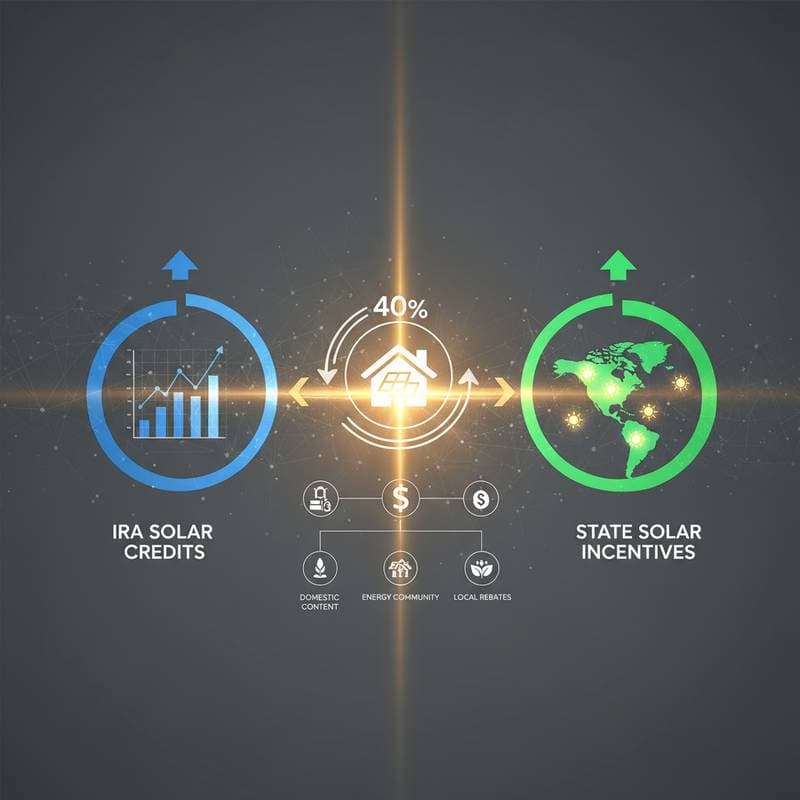
Stack IRA Credits with State Solar Incentives for 40% Savings

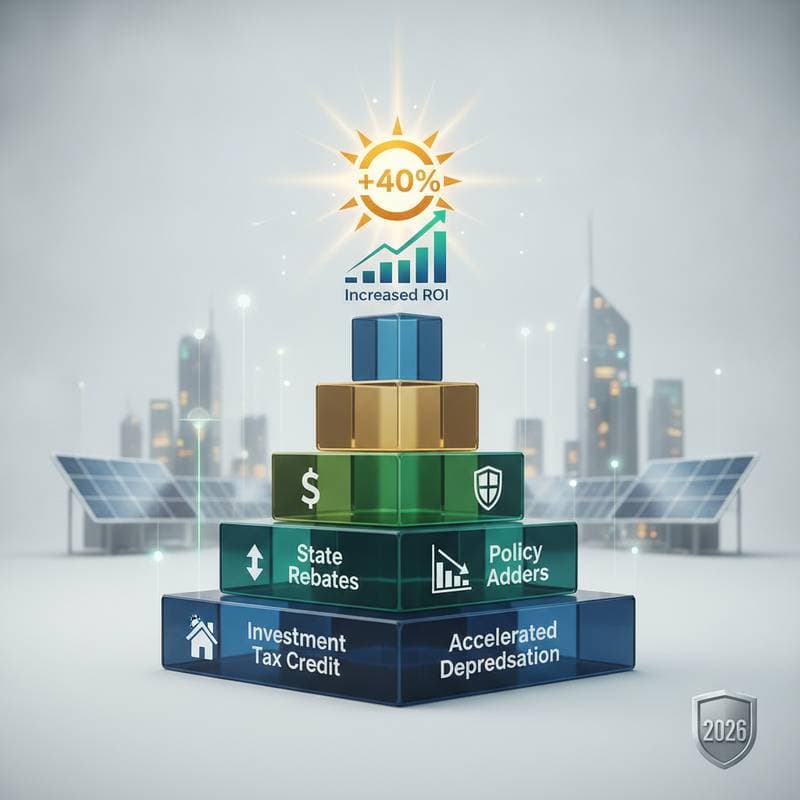
Combining federal Inflation Reduction Act credits with state solar incentives can cut project costs by over 40 percent, transforming solar economics. Developers leveraging domestic content, energy community, and local rebate programs unlock faster returns. Mastering compliant incentive stacking strategies ensures maximum savings, stronger investment appeal, and accelerated clean energy deployment nationwide.

4 min read
Featured image for IRA Direct Pay Opens Solar to Tax-Exempt Entities

IRA Direct Pay Opens Solar to Tax-Exempt Entities

Starting in 2026, IRA direct pay and transferability transform solar financing by enabling tax-exempt entities to access incentives directly, bypassing traditional tax equity. This opens billions in capital, cuts costs, boosts manufacturing, and expands U.S. solar participation for developers and communities.

5 min read
Featured image for Stack State and Federal Solar Credits Starting 2026

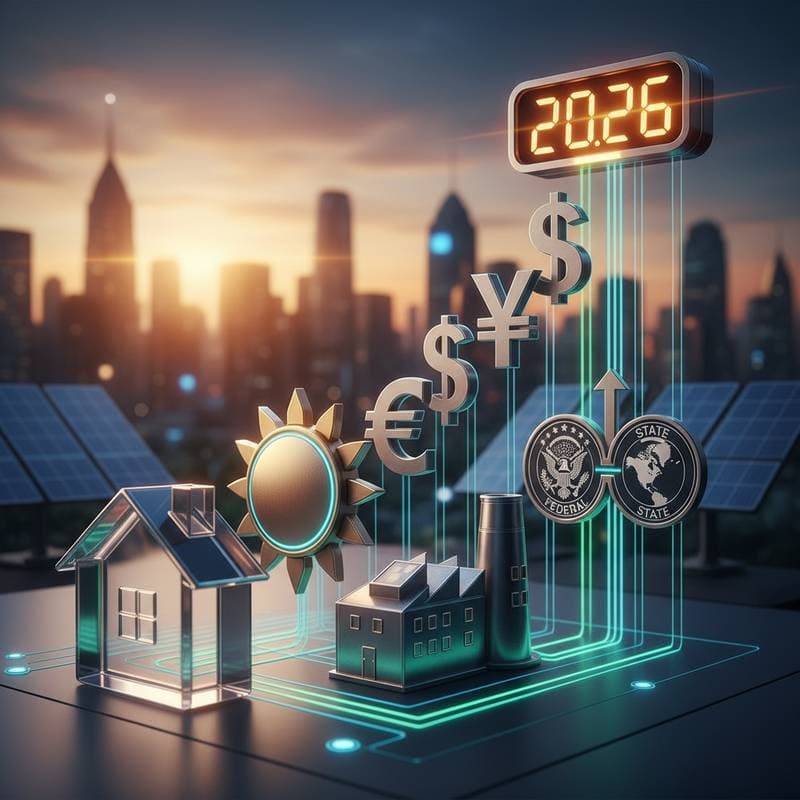
Stack State and Federal Solar Credits Starting 2026

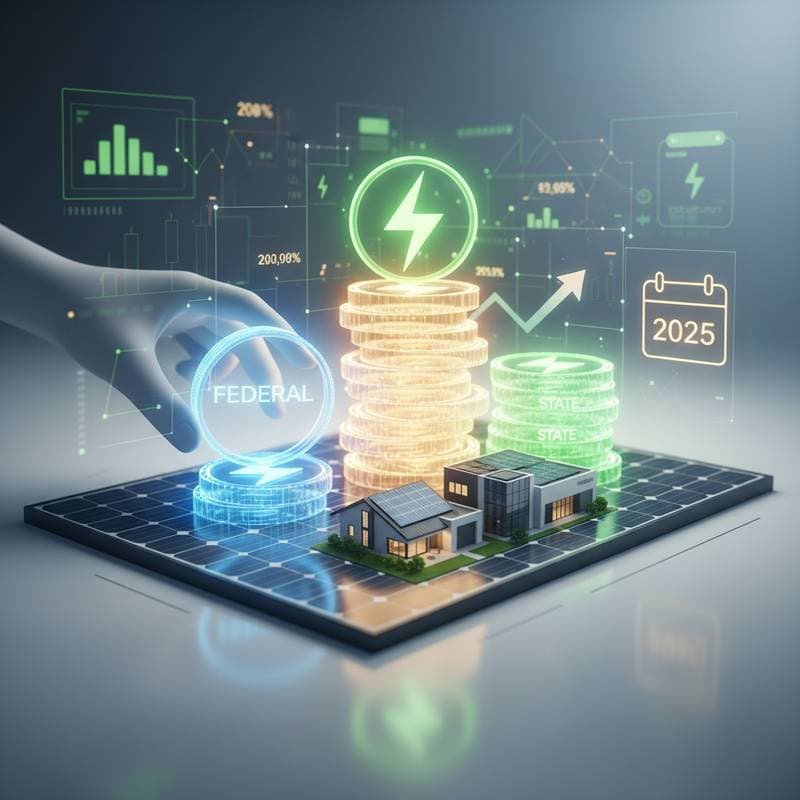
Beginning in 2026, updated federal regulations permit solar developers and homeowners to stack state and federal credits without penalties, transforming project economics. This shift promises cost reductions of up to 50 percent, increased deployable capacity, and renewed growth in residential, commercial, and utility markets, alongside stricter compliance needs.

5 min read
Featured image for Stacking Solar Incentives Can Cut 2026 Install Costs

Stacking Solar Incentives Can Cut 2026 Install Costs

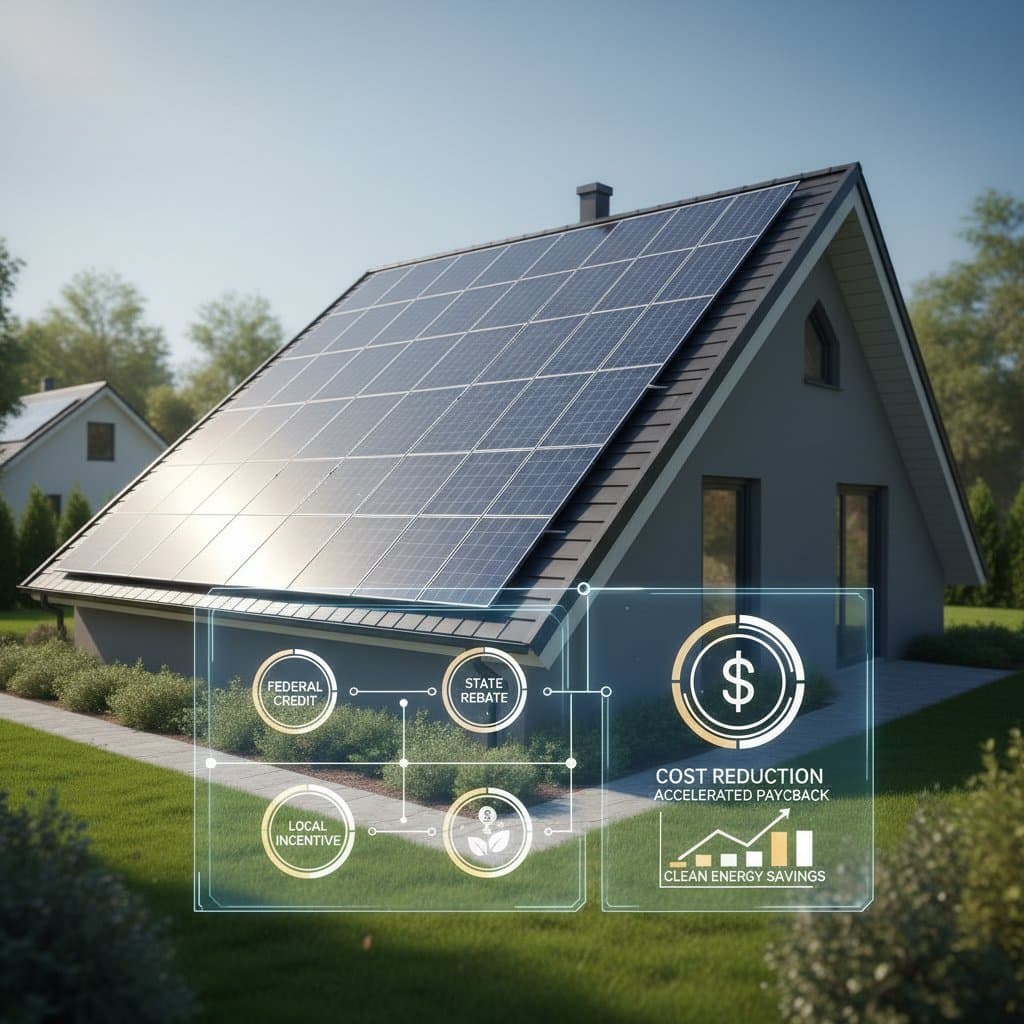
Stacking federal and state solar incentives in 2026 reduces installation costs significantly and shortens payback periods. The Inflation Reduction Act provides stable federal credits, while states enhance rebates; strategic planning with storage and timing maximizes savings for homeowners and businesses.

4 min read
Featured image for Stack Federal and State Solar Credits for Maximum Savings

Stack Federal and State Solar Credits for Maximum Savings

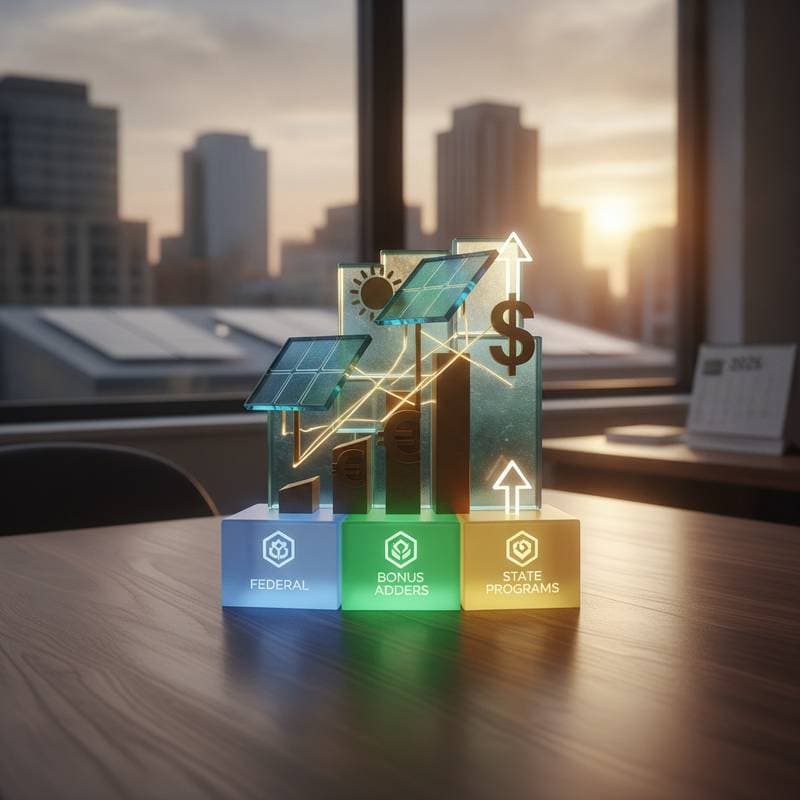
The Inflation Reduction Act opens doors to substantial tax savings for solar installations through effective incentive stacking. Pairing federal Investment Tax Credits with state rebates, utility programs, and bonus adders enables homeowners and developers to lower expenses significantly. Thoughtful planning, precise documentation, and strategic timing maximize these advantages, paving the way for a cost-effective shift to renewable energy.

5 min read
Featured image for Stack Federal and State Solar Incentives for Maximum Savings

Stack Federal and State Solar Incentives for Maximum Savings

Elevate your solar project savings by layering federal and state incentives strategically. Explore combining the Investment Tax Credit with rebates, performance incentives, and Inflation Reduction Act bonuses to reduce costs, shorten payback periods, and increase returns for homeowners and businesses embracing sustainable energy.

4 min read
Featured image for Stack Federal and State Solar Credits for Maximum Savings

Stack Federal and State Solar Credits for Maximum Savings

Combining federal and state solar incentives can reduce installation costs by up to 50 percent, reshaping project economics for homeowners, businesses, and developers. The Inflation Reduction Act provides a 30 percent federal tax credit, which pairs effectively with state rebates and adders. Strategic use of these benefits leads to faster returns and supports widespread clean energy adoption.

5 min read
Featured image for Stack Federal and State Solar Credits to Cut Costs

Stack Federal and State Solar Credits to Cut Costs

Stacking federal and state solar incentives substantially lowers installation costs and shortens payback periods. The Inflation Reduction Act enhances these benefits, complemented by state rebates, tax credits, and performance incentives. Proper understanding of eligibility, application timing, and documentation enables homeowners and businesses to secure maximum clean energy savings.

4 min read